Phoebe Devine
Previously Unavailable
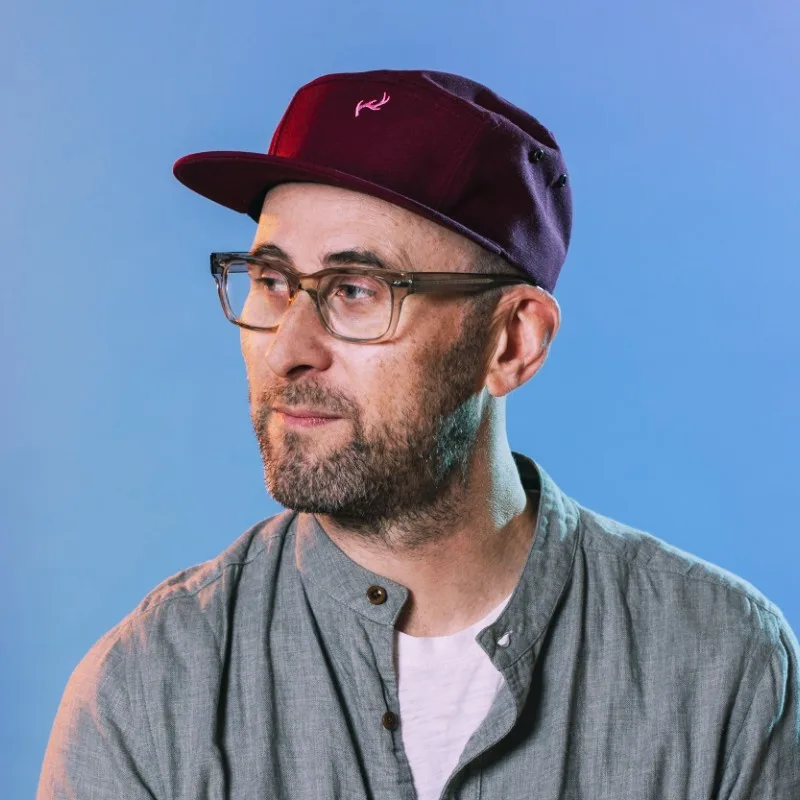
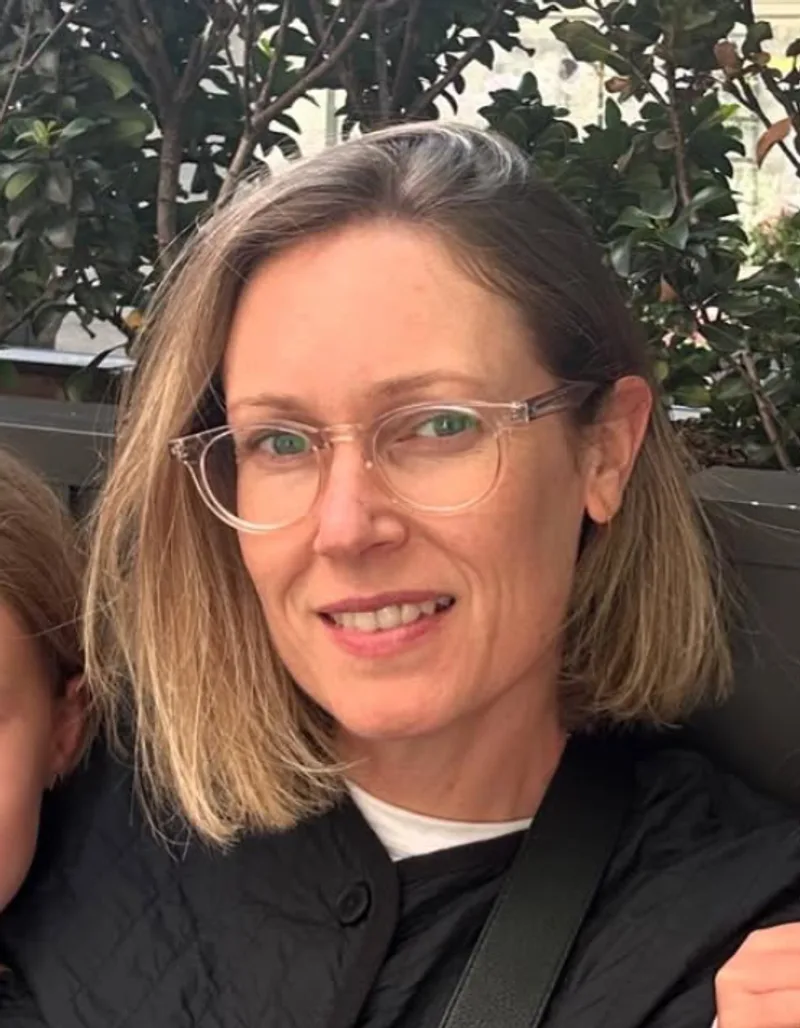
With student exchanges to New York and San Francisco Phoebe went international early, returning to internship at various studios and working her way up to a partner at Previously Unavailable. We talk about not always talking shop with her design husband Clem, building a house together and how simple conversations can lead on to great opportunities.
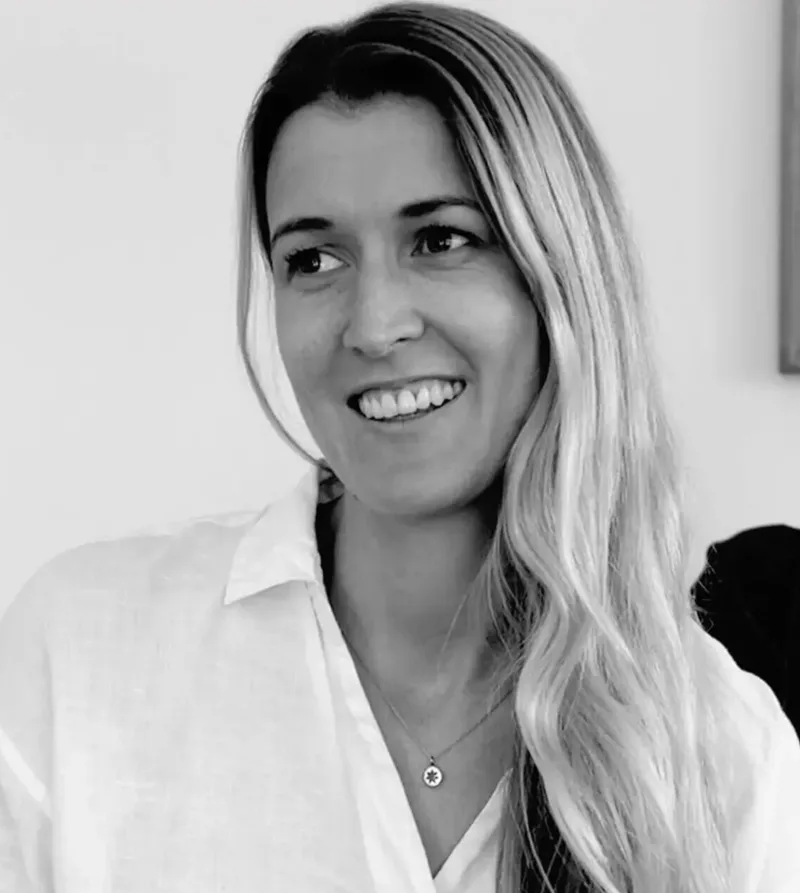
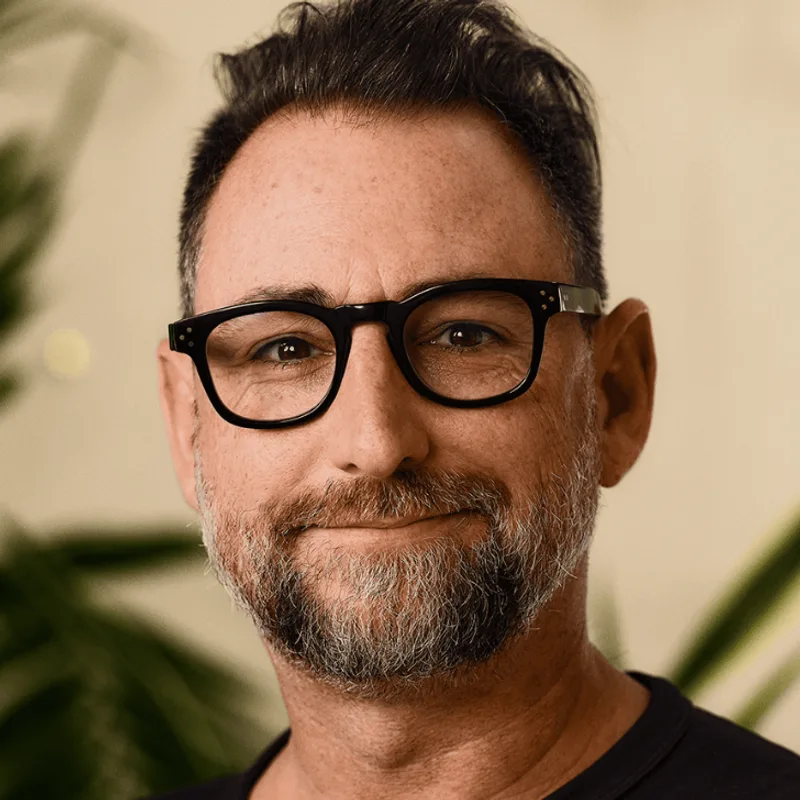
Phoebe Devine is Based in Auckland as Partner and Head of Design at Previously Unavailable, where she leads a team creating brands for start-ups, ventures and companies ready to reinvent themselves. Her background includes Red Antler in New York, Alt Group in Tāmaki Makaurau and she’s recognised beyond the studio, including being selected as a judge for The One Club’s Young Guns awards.
From a young age I was always really attracted to car logos and shapes. I’d yell out different car names on trips with my family. If I couldn’t spot the logo I was often able to spot different brands based on the shape of the car itself. I remember being obsessed with the Audi logo (and car) — how simple and recognisable it was — it’s probably why I’m into Formula 1 years later! And also why the term ‘design language’ makes sense to me now.
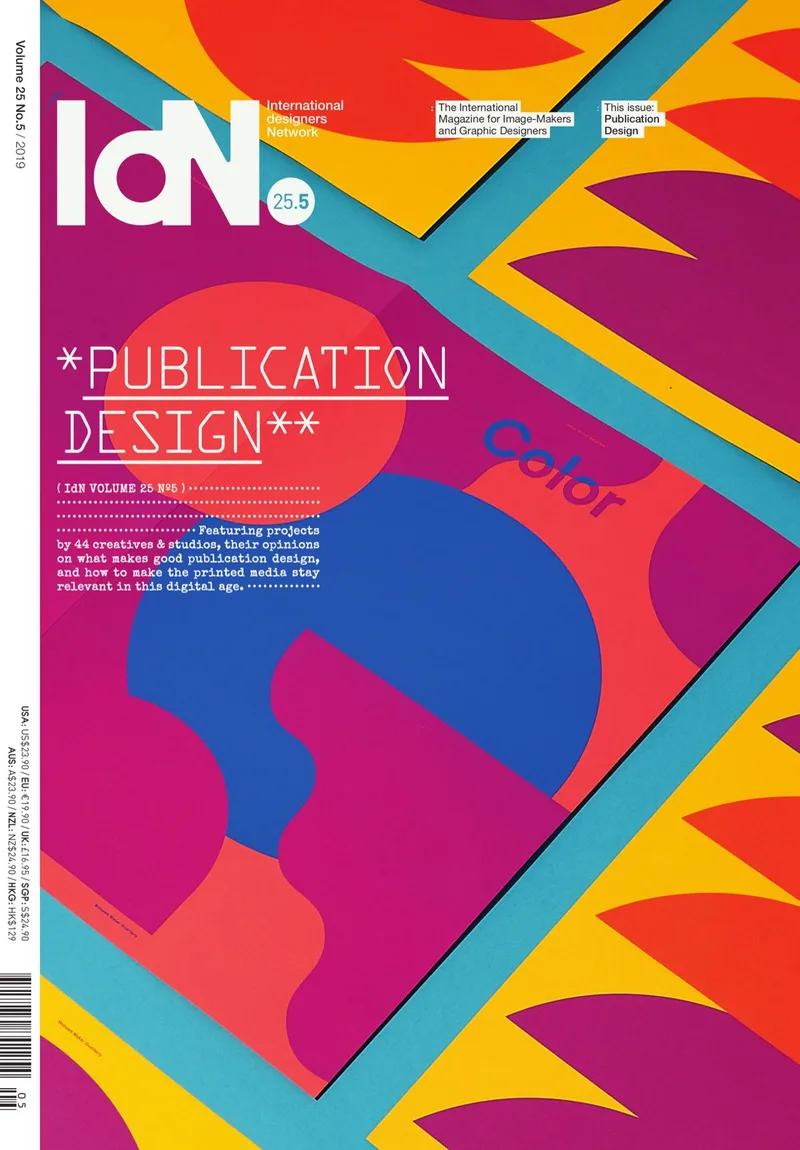
Yes, my design tutor John Lee from Ōrewa College. In the Sixth Form John exposed me to the world of typography and magazine design, and the basic principles of what good layouts could look and feel like. He always had a stack of design magazines in the classroom, and I remember being blown away by the graphics and expressiveness in IdN magazine. Having a teacher who saw the potential in me early on was really important — careers departments in schools weren’t necessarily encouraging a creative career, or at least they didn’t have much knowledge about the potential pathways. John strongly encouraged me to apply for design school, and as he was previously a student at AUT this gave me confidence and some reassurance.
John wrote each of us in his Seventh Form class their own personalised letter, discussing creativity and the pursuit of doing what makes you happy. He talked about a life living in and with design. The highs and lows — it was very thoughtful. My auntie Trish Dickinson was a ceramicist ‚and my late-uncle Roger Dickinson was very successful in the advertising industry, so I may have also been influenced a bit by osmosis growing up. My mum and dad, although neither had pursued creative careers themselves, were incredibly supportive and knew how to steer and guide me rather than completely direct me.
I remember vividly my dad (in a sort of stern yet caring way) asking me questions like ‘Are you sure you want to study design? What kinds of jobs are out there? What would you do after university?’, to which I replied something like ‘Don’t worry, Dad, I’ll become a creative director at a magazine!’ I actually like being challenged with questions and I like surprising people.
One of my fondest memories of support from my mum was years later when she typed out my whole thesis for me when I was finishing my honours project later. It must have been about 20,000 words or something, and a few really late nights.
I did focus on the grades a fair bit at the time, and having some form of affirmation from tutors and classmates for me was helpful. In hindsight there’s a balance of being ambitious and wanting to succeed, but not letting grades get in the way of creative experimentation and coming up with something interesting. I think work ethic and just showing up with some material — anything — became important to me: to keep going and not hiding behind a screen. That’s what the creative pursuit is to me.
There wasn’t a massive focus on industry while I was studying. as I guess we were just focusing on the briefs and the projects in front of us, so it didn’t feel like a bad thing at the time. It always came naturally to me to really obsess over the subject matter of whatever I was working on, going down lots of rabbit holes. Halfway through my degree, I was 18 and doing well grades-wise, but I came under mental health issues and unfortunately suffered from anorexia quite badly.
My obsessive nature, which I had (and have) always seen as a real strength of mine, was kind of abused by things out of my control. It was a tough time for me— grappling with things I didn’t understand that were happening to me. I remember the GP told me that if I lost another 200 grams I would have to be hospitalised and there was a chance I wouldn’t be able to have children in the future. There are many misconceptions about eating disorders, so it was a long time before I started to talk to people about my experience, and I still have trouble with it to be honest. I know it was particularly hard for my sisters while I was sick, and I still hold guilt to this day for putting them through their own pain.
Luckily around this time at AUT there was a course where the university promoted overseas exchanges. So after getting better (enough to travel anyway), I had the opportunity to do an exchange in the USA for six months. It was the best thing I could have done. It opened my eyes to new possibilities and that design is an exciting world to be a part of, and gave me motivation to keep pursuing design. I was lucky that my family supported me with my health, and that they could also financially afford to support me in doing this. I studied at the Academy of Art University in San Francisco, which is located right in the middle of downtown. The school had very specialised classes — identity design, typography, publication design. It was intense, and the degrees over there were more like five years (as opposed to the three at AUT), so I was put in classes with students who had already been studying for three or four years.
I remember in the identity class we had to do 100 different logos overnight. At that stage I still didn’t quite understand what a logo even was. I was just exposed to a different pace; I felt completely out of my element, but in a way that I felt like I was moving forward.
One of the best classes I had taken was called ‘Creatively Speaking’. Me and my close friend Emme Jacob had applied for this class because we thought it would be a relaxing time-filler. It actually became quite important for us: each week you would bring a piece of work to class to talk to, using cue cards and focusing on different techniques each week to get better and better at public speaking (such as saying ‘like’ less, using more eye contact, hand gestures, body language, etc.).
This class taught me that getting even just 1 per cent better each time is very fulfilling, for me anyway.
My tutor, Eden Potter, put my name forward at AUT in my third year to intern at Studio A. I’m so grateful for having been taught by Eden, as she really pushed for deep thinking, experimentation, and, although highly supportive, she never solved anything for you. Eden specialised in information design, and I liked how she could zoom in and out on a problem.
I went in for an interview with the creative director, Sam Trustrum (who funnily enough is best friends with my now-husband Clem Devine and is married to my best friend and former colleague Zoe Ikin). Also Alice Murray (who has now worked at Pentagram for many years) was working there at the time. Looking back, I really looked up to Sam and Alice. They are both incredibly kind people, but highly ambitious and wanting to make great work. I was only there for about five months, and it was a great introduction to studio life, before I ended up getting a scholarship through AUT to go to New York City.
I had a choice of going to Saatchi & Saatchi or Red Antler (RA). I sought advice from my late uncle’s old friends from the advertising world, and it was surprising to me that they all encouraged me to take the Red Antler opportunity and not go for the big name.
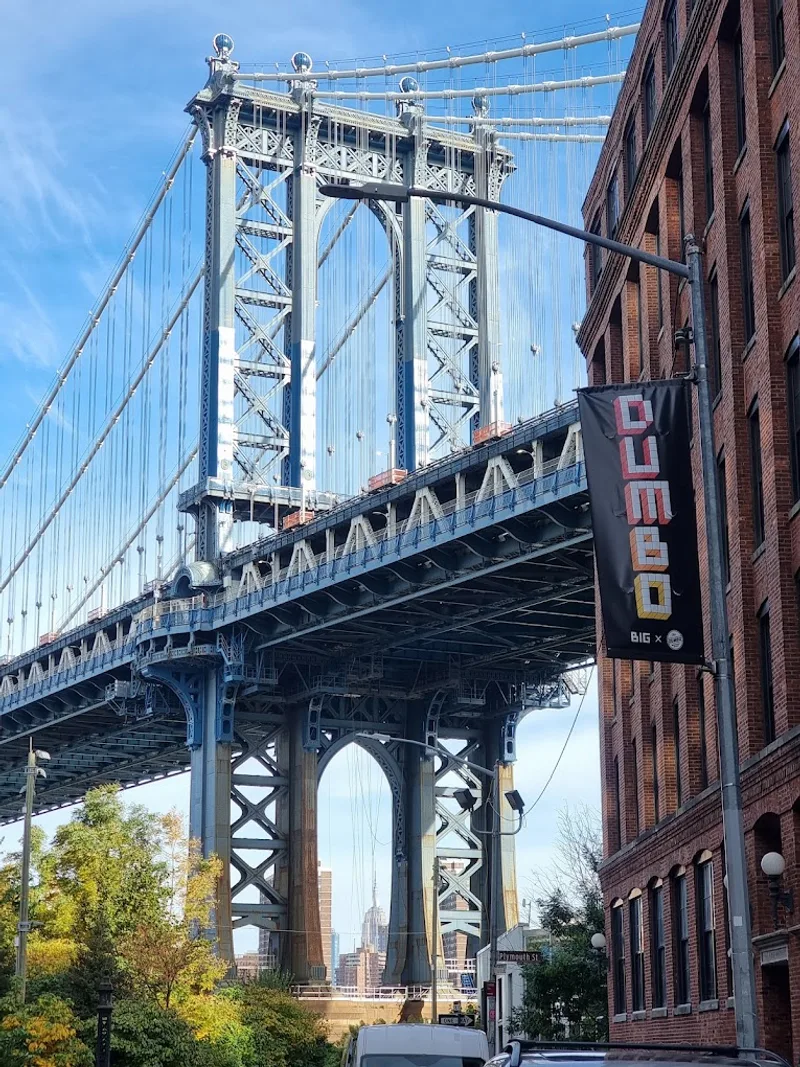
They challenged me to think about what kind of work I would want to do and what experience would excite me the most. The chats were centred around having a more hands-on experience at a smaller outfit, and Red Antler was only about 20 to 30 people back then. It turned out to be one of the best years of my life, and the ‘work hard play hard’ phrase really sums it up, as you can imagine — being 21 in New York was chaotic and magic. I turned up in the middle of winter, I had flights and a visa paid for, and had a job with a view from Dumbo [neighbourhood] of the Manhattan Bridge.
At Red Antler I was thrown into presenting projects even as an intern (thanks to Simon Endres). I remember my first time, after contributing to some territory work for an identity project, I said to Simon ‘Here’s the presentation ready to go — good luck in there!’, to which he replied ‘You’ll be presenting: see you in an hour.’ It caught me off-guard, but in a good way. I apply this same approach to my team now —it’s good to be put in the hot seat rather than to be asked if you want to do it. This isn’t for everyone, but I love the feeling of doing something you don’t want to and then doing a good job. I have learned that it’s good to take chances on younger or even just less-experienced designers (or people who don’t fit into the traditional mould, but have a spark about them), as people can grow quite fast if they’re open-minded, and if you give them support and put them in situations where they can be stretched.
We would have weekly critiques with the senior team: there was a time roster every Wednesday, with the order and slot everyone was sharing their work in. A group would huddle around your computer and give you direct feedback. Being exposed to that so early on was helpful because it was shit-scary. On most identity projects Red Antler would produce three different brand directions, and a designer would own each direction.
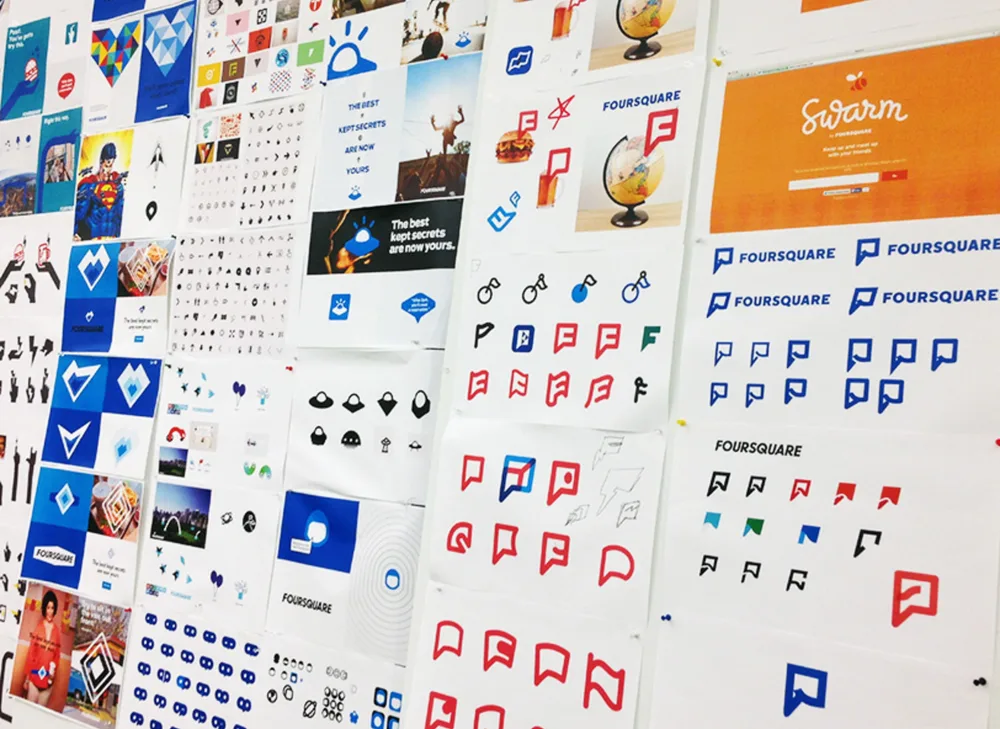
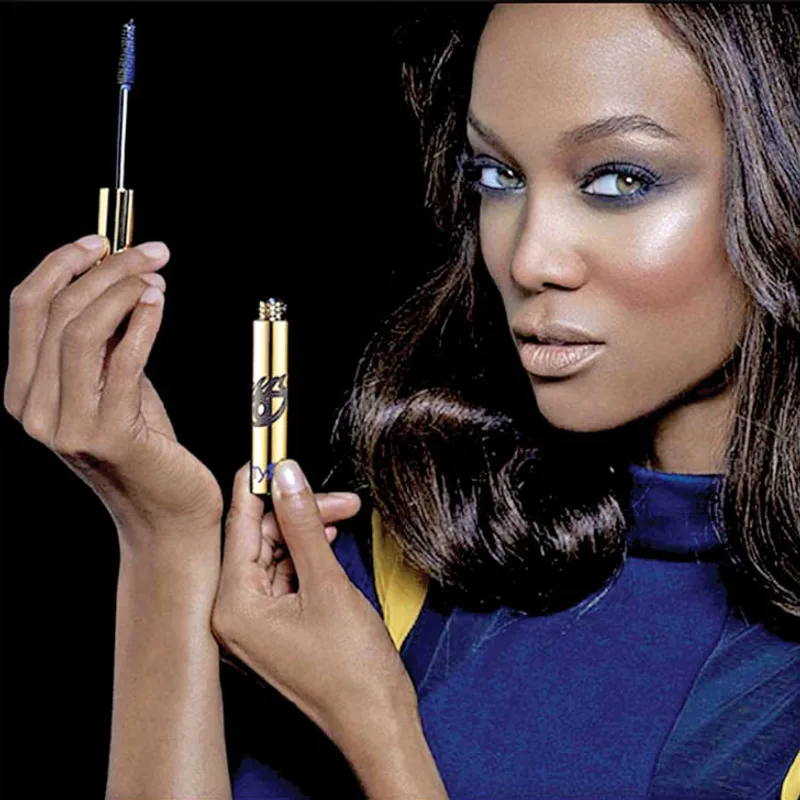
As designers, you pour so much personal energy into the work to make it good, but you also have to weirdly depersonalise it to look for the idea that is best for the project. It was an exciting time to be there as we were branding Casper and the app Foursquare [for the geolocation technology company and data cloud platform], and while I didn’t do much on these, knowing I was there for some of those milestone projects was great for learning and growing. We also designed the identity and packaging for a beauty line for Tyra Banks; I was a little starstruck, and I remember we’d get emails like ‘Tyra’s coming in today. Don’t make eye contact — just act normal.’
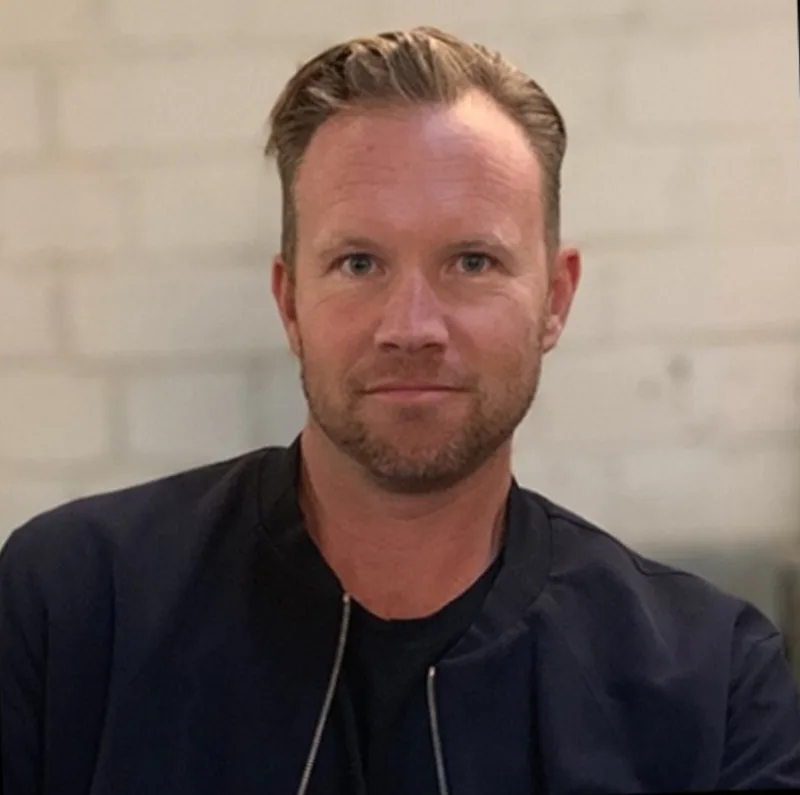
My husband, Clem, has been through a couple of pretty big roles that were completely different like that. When you’re in a design company, you can counsel each other on different things, but you’re right: you just have to make the best of each role that you’re in and learn what you can. I work with a lot of [company] founders now who have never been through a creative process before.
The world of start-ups isn’t necessarily conducive to beautiful, crafted identity design, and even the word ‘design’ has so many misconceptions in the industry, but this is kind of my mission. It just requires a lot of education and communication tools to allow them to understand, and for us to understand where they’re at, as they are generally product people, not brand people. You don’t actually have to compromise on process or creativity if you set up the relationship. It helps to be invested in the client (literally), as this sets the relationship as less supplier and more partner.
So while I haven’t been in a role or a company that doesn’t value design highly, I am operating in an industry where there’s a lack of understanding of the power and nuance of design. There’s a massive opportunity to vouch for and showcase the value of design more.
I went to [Dow] Goodfolk, which came about through another connection again. Simon Endres was friends with Michael Easton who was a co-founder with Ben Dean at Goodfolk. Everyone said to me that I’d get a job easily as I’d been working in New York, but in reality I was still a junior designer without a heap of experience. I’d left New Zealand straight after university, too, and hadn’t really made many industry connections. At Goodfolk, I was paid really well for my level and worked with great people, such as Ben, Scott Crickett, Mark Easterbrook and Natasha Vermeulen.
Compared to my experience at Red Antler, I was working on more corporate client work, which wasn’t my sweet spot, but equally I saw the value in doing it. I was still learning foundational design principles, and when you’re at this level being picky, to me anyway, is a real turn-off in terms of work ethic. Every role and opportunity has a purpose: sometimes it’s not always about the work. I felt incredibly valued at Goodfolk, and the role gave me some financial stability and breathing room to think about the next chapter, while I continued to grow and learn as a young designer. I had been gunning to move back to New York but the visa situation meant that didn’t happen.
I resigned from Goodfolk after applying to do my honours postgrad studies at AUT. I took a year off from studio work, was offered a part-time tutor role at AUT, and got back into the world of academia. I was lucky to receive a scholarship to pay for my fees, and I lived at home to save money (thanks, Mum and Dad). I felt that I needed to be immersed in the New Zealand design industry and that a self-directed project could really help me understand where to go next, so I did a year-long research project on archiving design work.
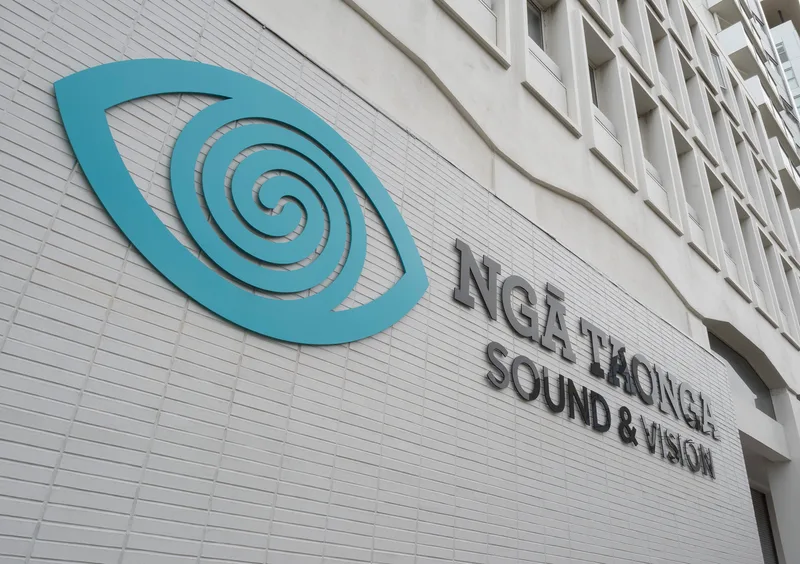
I was interested in collecting design: what do you keep and what do you throw away? Design is ephemeral, but even the most mundane things tell us about our history and visual culture. I just thought it’s strange that we don’t have a New Zealand design archive, so maybe we should make one or at least make a case for it. My tutor and advisor at the time, Alan Young, had also thought about this. At some point in the year I then went down to Wellington. I interviewed a couple of people at the National Library and at Sound and Vision archive. I realised that there was actually a lot of design work being archived; it just wasn’t in one place. There were lots of posters and collateral for theatre shows archived at the Sound and Visions archive. And at the National Library, Barbara Lyon (who was the curator of ephemera) took me down to the archive basement, and talked to me about the criteria they have for archiving peoples work, and showed me some local design studio folders.
Like Eyework Design, where I discovered all of these designer names on print proofs — like Neil Pardington, Simon Endres, Clem Devine, Tana Mitchell, George Clarke, Philip Kelly and Aaron McKirdy.
Throughout this project I was interviewing and talking to people in the design industry, and it was a great way to connect. (Although I didn’t think about it as connecting at the time, more a way of collecting raw information to form an opinion.) Everyone was incredibly generous with their time. I wasn’t thinking about work or getting a job — just focusing on my project.
It went something like this: Simon Endres said I should reach out to Philip Kelly, Philip then said I should talk to his friend Kris Sowersby, and Kris said I should talk to Ben Corban at Alt Group. I just wanted to talk to people who might be interested in the thing that I was researching, and I was on a mission. Ben and Janson Chau were kind enough to spend an hour with me.
And I remember thinking afterwards: How cool is this place? What is this place? The books, the studio and the people … The conversation really made me consider why I’d need to go overseas to work: it felt like the special people and great work were right here within this building. I invited Ben to my final honours exhibition, and then emailed after that to see if there were any projects they needed help with. He mentioned that in the new year they would have a Fisher and Paykel photo-shoot and could use some extra help on it, so why don’t we do a three-month contract? I did the contract and stayed for nearly four years.

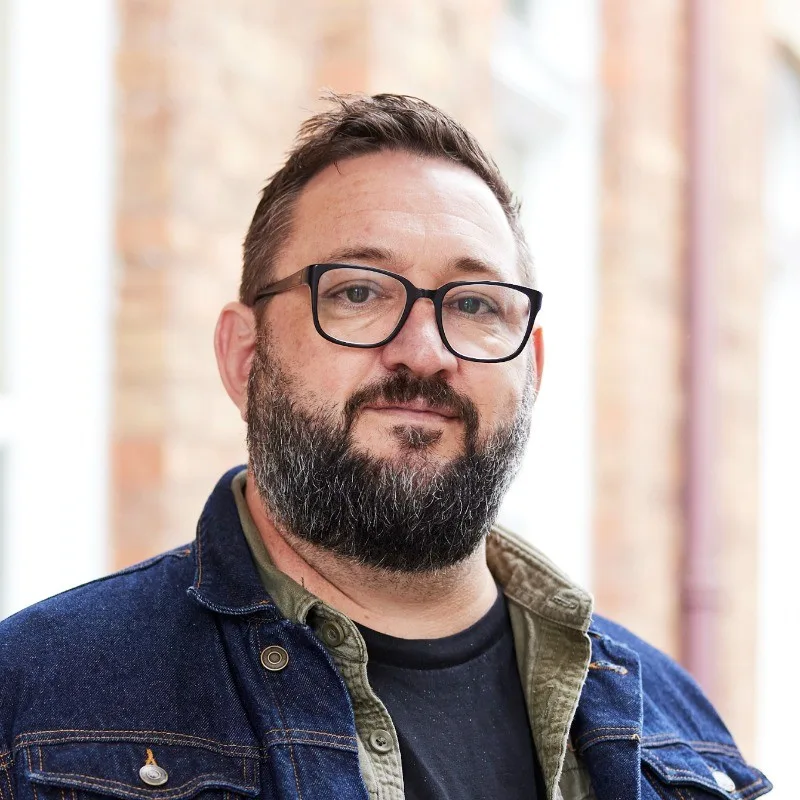
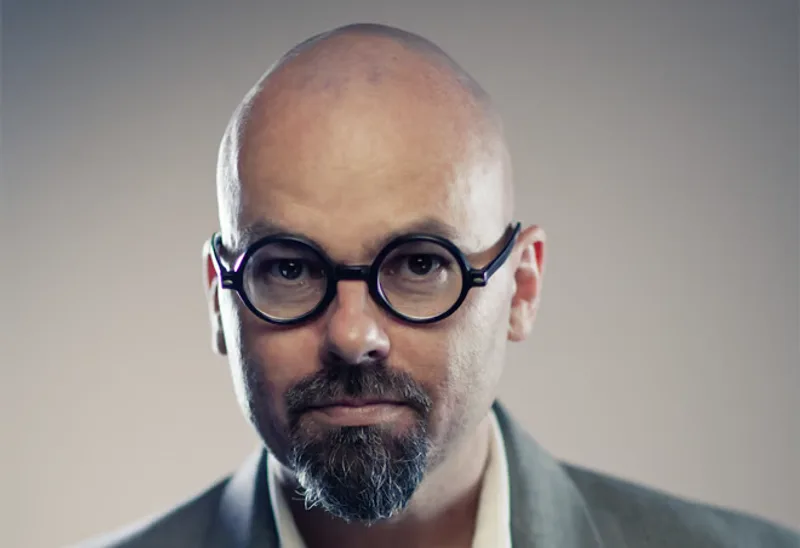
You have got to be in people’s minds for when the right time comes. Timing is everything, and it’s also partly out of our control. There aren’t that many design studios or agency roles in New Zealand for the number of students who come out of the institutions.
Last year, I had an AUT design student, Jacob Davies, who reached out, saying he’d love to come in and show the project he was working on and get some advice and critique on it. I love chatting with students about their projects — Jacob was working on experimental typographic drawings almost veering into asemic writing. He’s now in my mind as someone who is really inquisitive, curious and interesting. So in the future if a role came up, who knows?
I’ve been lucky enough to hire designers whom I taught at AUT back when I was studying. Hannah Small (who made such an impression on me) did her final project ‘Utopia’ looking at typography as utopian architecture. Madison Ford, who now works for our portfolio company Ideally — it’s great to have her still in our Previously Unavailable world doing great things.
From my experience of part-time tutoring I have learnt how to look at students’ work and their potential: it’s about the thinking, and if they’ve been able to apply that thinking in unique ways. Are they developing taste? Have they gone as deep as they can on a subject? And have they pulled apart a brief and rebuilt it in their own way?
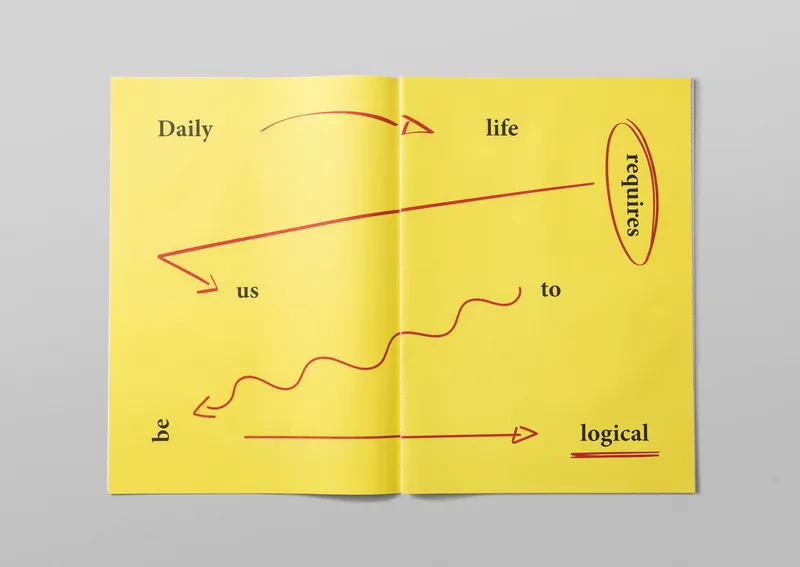
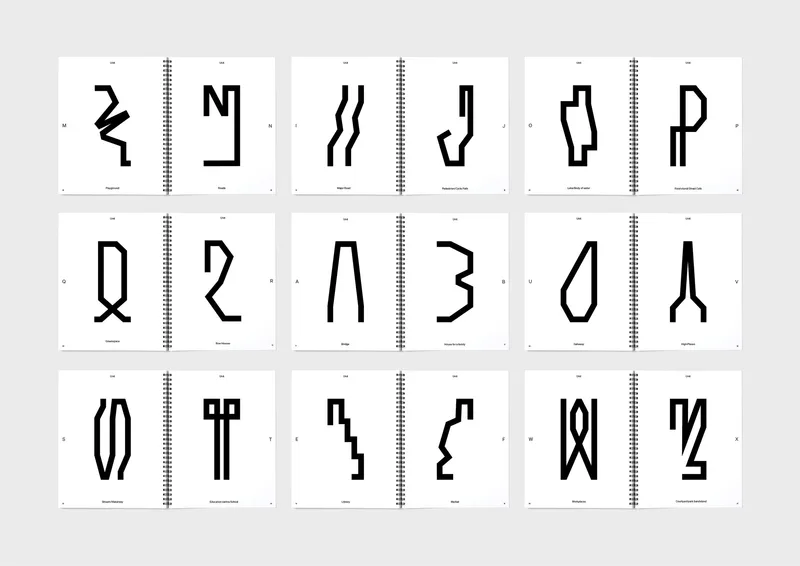
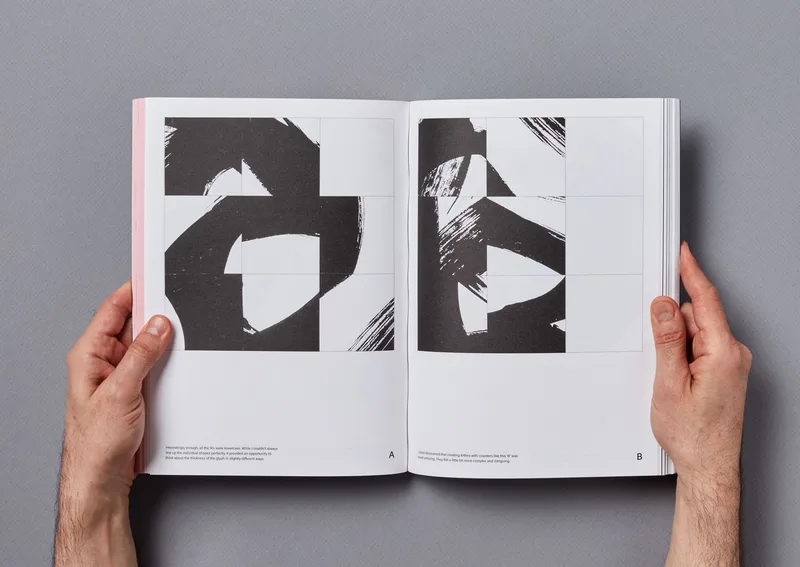
We do talk a lot about art and design! It’s just because we both love it. We live in and around creativity. We love our profession, all of its quirks and features, the highs and lows.
We are OCD [obsessive compulsive disorder] (me) and ADD [attention deficit disorder] (Clem) coming together, which is mostly harmony. I’ll let others make their own assessment on that one! Clem’s dedication to design is infectious. It’s what drew me to him in the first place.
If there’s something that we want to get advice on or critique, we’re open and honest. Clem comes into work often to catch up with the team socially; he’s really supportive and invested in my career, too. James Hurman (our founding partner) has always said that we’re not a family, although we may treat one another like a family; you have your own families and that is sacred to you. I really value this, as I think companies can often take the piss about what family means in the context of work.
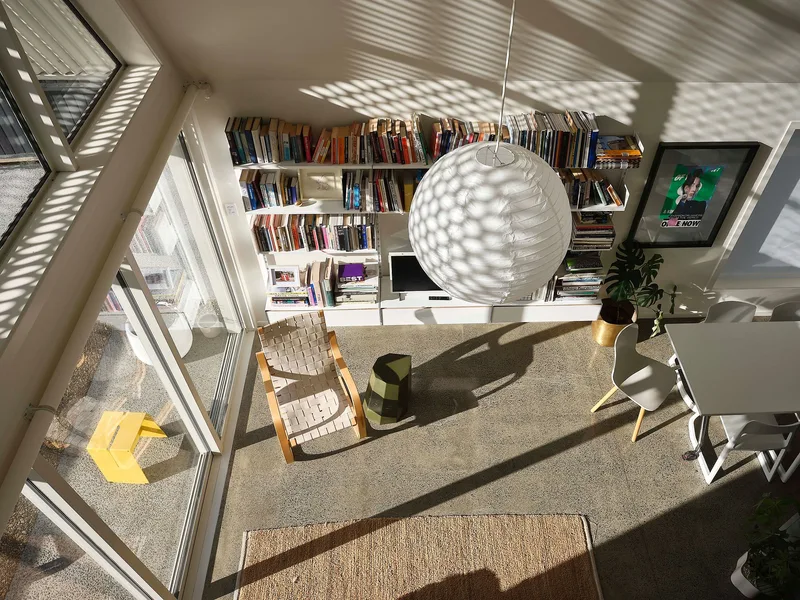
Clem and I built our house together, which we called the Paper House, designed by Crosson Architects. It was a real challenge, but I couldn’t have thought of a better person to do it with. Living in a (small) piece of architecture is pretty wonderful, and as two designers is a dream come true.

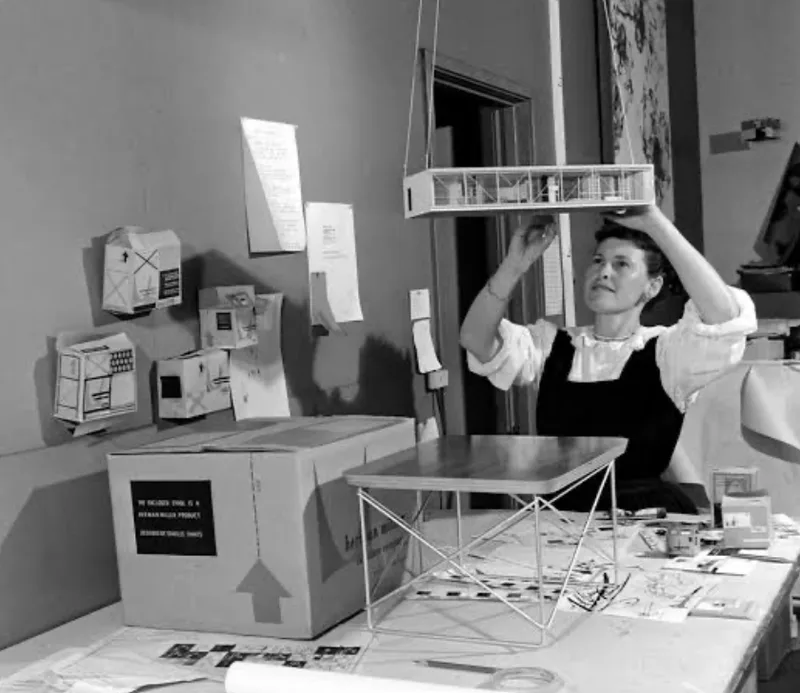
I’d been at Alt Group for nearly four years, so I guess not that long, but long enough for it to have felt formative for me. I would love to liken Alt to how I would imagine the Eames office might have been like to work at (from what I’ve read anyway).
The way the studio operated, the space to think deeply and practise and practise and practise, and the blending of disciplines. I was able to work on many meaningful local and international projects — being flown to Abu Dhabi three times and working within such a different culture was something both hard and special.
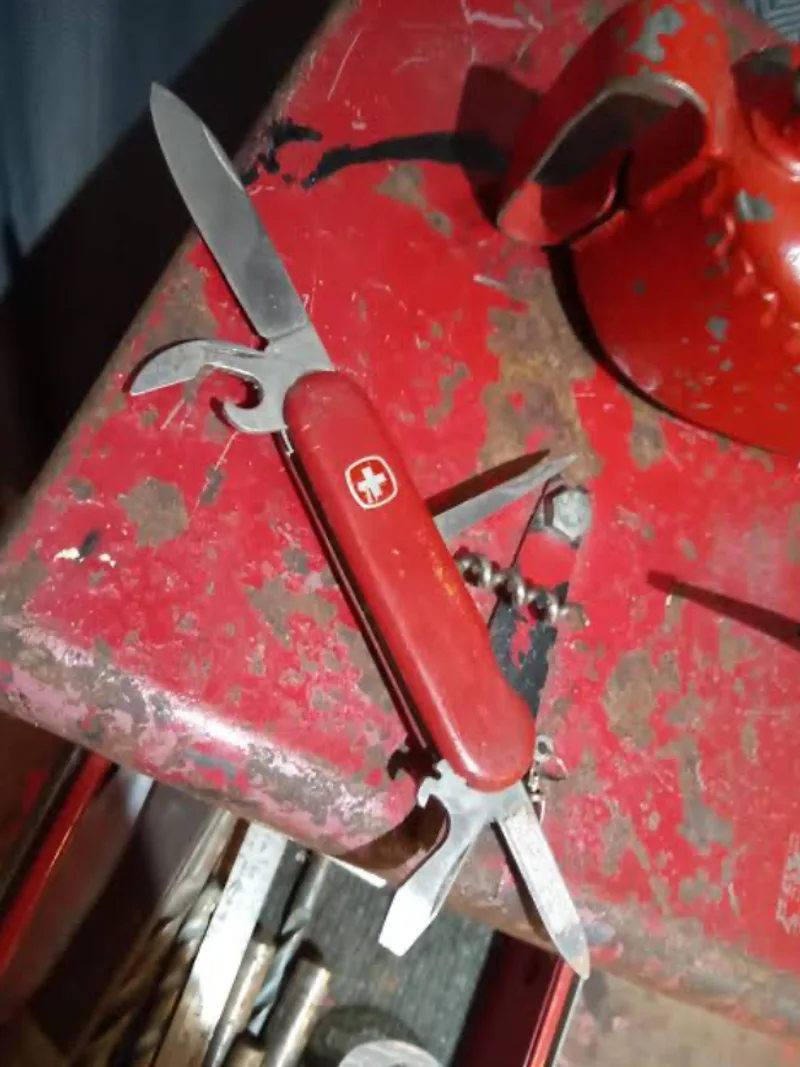
I’ve always had the belief that every project has some sort of creative opportunity if you look hard enough, and Alt embraced this belief. I remember Ben calling me a ‘Swiss army knife’ because I was able to jump onto any kind of project and give it a decent crack. I think often designers can be paralysed by indecision. Maybe this is why my current role as a partner (and co-founder of other ventures and things) at Previously Unavailable has expanded out of the traditional designer trajectory.
I seem to be drawn to where there’s momentum, and I don’t really look back or think twice about whether it’s the right or wrong path for me. It’s important for me to just keep turning up and keep on going. This sounds so simple, but can actually be hard for a lot of creative people, especially in a post-COVID era, where there’s a lot of working from home and constant self-reflection. It’s easy to get caught up in comparison, too, but I don’t worry about this as much anymore.
After meeting James on a Zoom call in COVID, it was apparent how creative the bones of Previously Unavailable were. Although the jump from Alt appeared tough from the outset, I knew nearly instantly that this was the start of a new adventure I had to embrace.
There were five of us when I joined. Myself plus James, Chris Paykel, Simon Pound and Ed Dever. I was the only designer to start with, so I was multitasking a lot, but James had really sold me on just being a part of the experiment of PU and where we were going next. I had come from a well-oiled machine with a clear design process and way of doing things, and was moving to something that was really unformed from a design perspective. An internal design process hadn’t existed because the team had worked more with freelancers and other design companies, and the company was more of an innovation strategy consultancy with a little bit of a venture arm thrown in.
We aim to grow and scale our portfolio companies to be super big, but we don’t want to be big ourselves. It’s not conducive to the kind of creative work we do or the internal business model we have formed to benefit our people in the long term.
Everyone is a maker and a contributor in that way, it doesn’t matter how senior you are. I’m still designing and always will, although definitely not as much as I used to be, because we’ve hired talented people to collaborate with and help me. But I do find that it’s important for me to do a few brands a year amongst our portfolio — actually, especially our portfolio companies — because I think the team respects you when they see you doing the work and coming up with ideas. And then hopefully seeing that work create impact at scale.
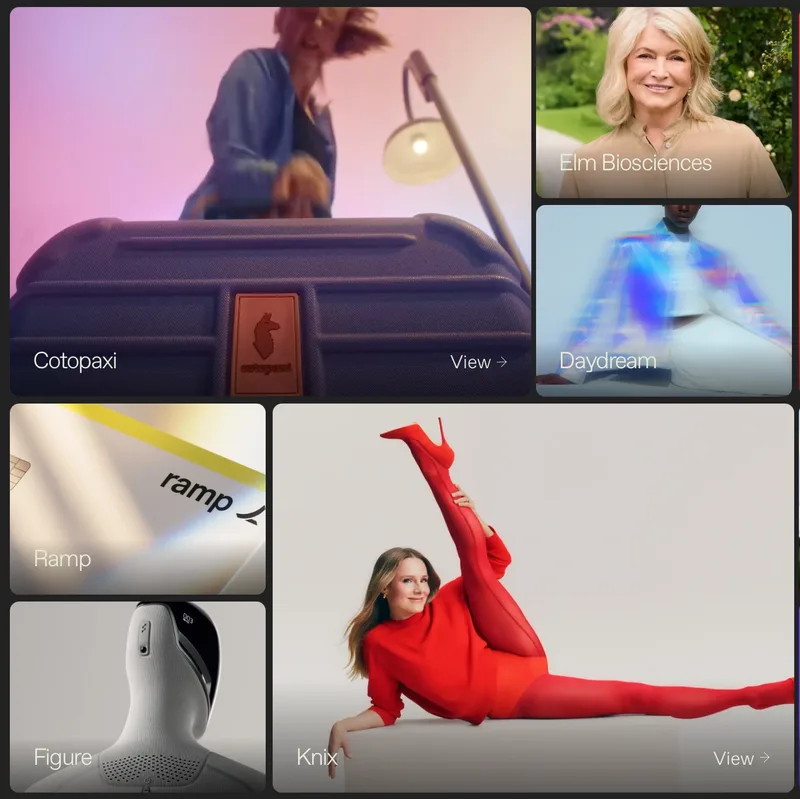
Being a partner, my role has evolved to create, direct and influence many things alongside design: investment decisions, who we hire at PU, who we might hire or recommend for portfolio companies and the companies we create, the new products and businesses we’re creating, and then, most importantly, having the opportunity to foster a design practice within a really untraditional creative business. It is motivating to me, to go to work with skin in the game, to have a purpose and to have an ever-expanding role. New experiences, being under pressure and overcoming new challenges, meeting new people and being inspired. I was ‘good’ at two things at the end of high school: one was design, but the other was business studies. It’s cool so many years later to be able to blend those two worlds in an uncommon way. I have to acknowledge the space and opportunities Simon, James and Chris have created for me to expand my role and grow as an individual. I’m so grateful.
There’s a pace and urgency in the short-term but it’s all for long-term value, and I quite like the creative permission that the long-term mindset offers. In a work sense, the licence to make identities and businesses that are pointy, bold and sure of themselves. In a life and practitioner sense, the permission to experiment and enjoy the ride.
In my first year at PU on one of our strategy ‘away days’, we talked about our 30-year plan and the PU experiment. For me there’s a lovely connection to how Māori view time — slow and steady and building intentional relationships. I feel we do business in a unique way in Aotearoa and I connect with that.
I see a clear place for me as a woman in design to create a long and fulfilling career in this new venture world. I’m also pretty sure I’ll stay design-focused in some way, because that’s what I’ve always been drawn to, that’s what I live for. If there’s anything that I have learnt so far from the world of venture capital, it’s that owning the thing that you are good at and skilled at that no one else in the industry has, is a huge asset to keep building on and shaping over time.
It does feel like a lot of my previous roles have come together — like I was exposed to the start-up, venture-type of world from Red Antler days all those years ago when I didn’t even know what a start-up was. In that sense I feel I have come full circle. And then being so creatively strategic, deep and confident in the work is reminiscent of my Alt days; and a combination of different parts of my process and approach come from a whole lot of other experiences mashed together. I’m doing what I’ve always done, but stretching further than I thought was possible as a traditionally trained designer. If I had to do a self-assessment I’d say that on the one hand I am incredibly grounded (maybe sometimes a bit earnest?), and on the other I’m completely restless. I’m like controlled chaos. Method to madness. But that’s why design and venture are the best industries for me. There’s calculated risk and a massive roller-coaster to move through. I love it.
Editors note
Phoebe is also a Co-Founder of New + Improved Ventures and is on the Investment Committee for Brand Fund 2 with Icehouse Ventures.