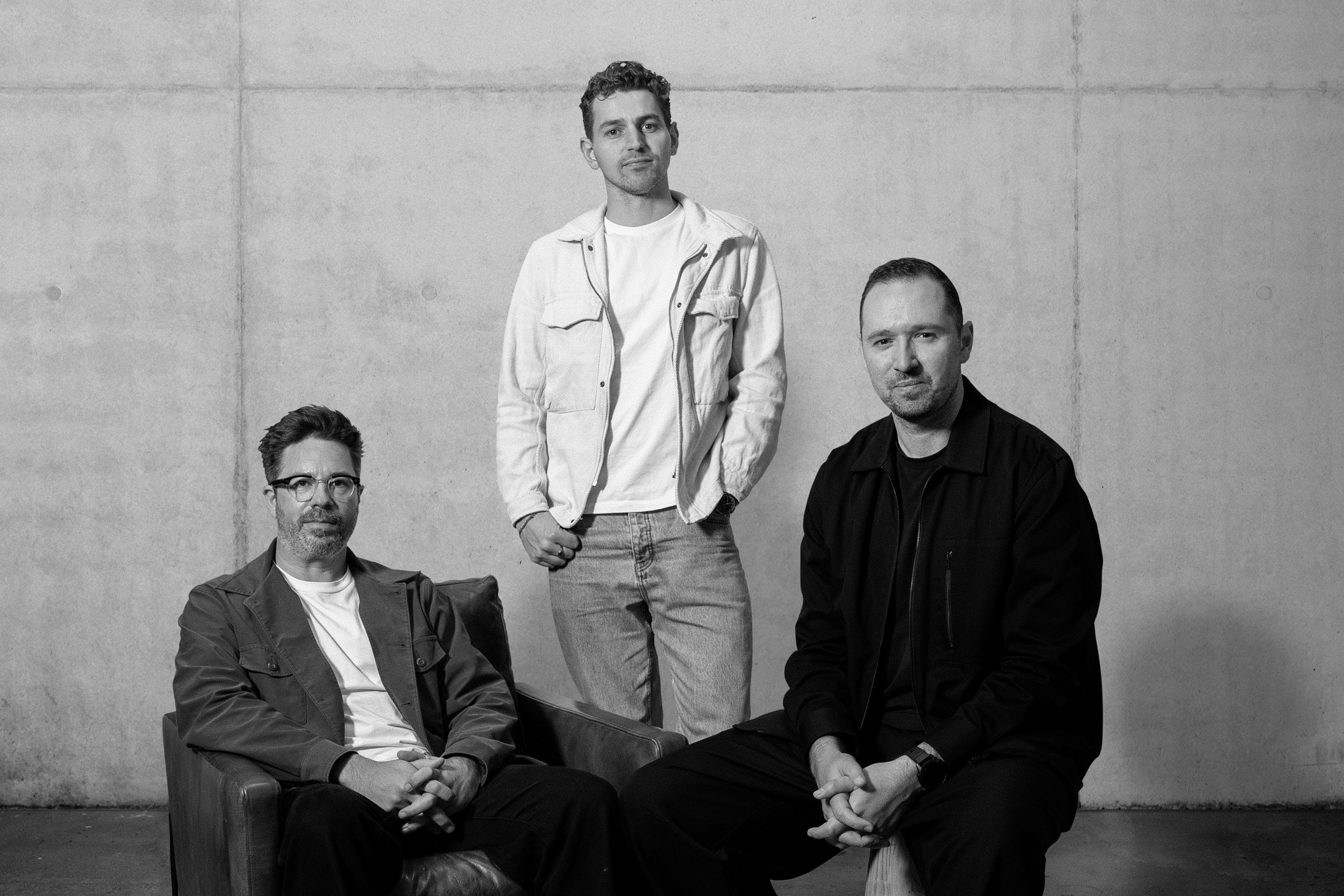
Elliot Stansfield
Field of Play
Emigrating from the UK as a kid and a massive supporter of Leeds United, Elliot started his career with a hot tip from his auntie in Huddersfield, then progressed to Studio South in Auckland. We talk about overcoming the fear to jump and setting up the studio, working alongside his photographer partner Kirsty and eventually being acquired by one of his key clients (Leeds are currently 5th in the Premier league)
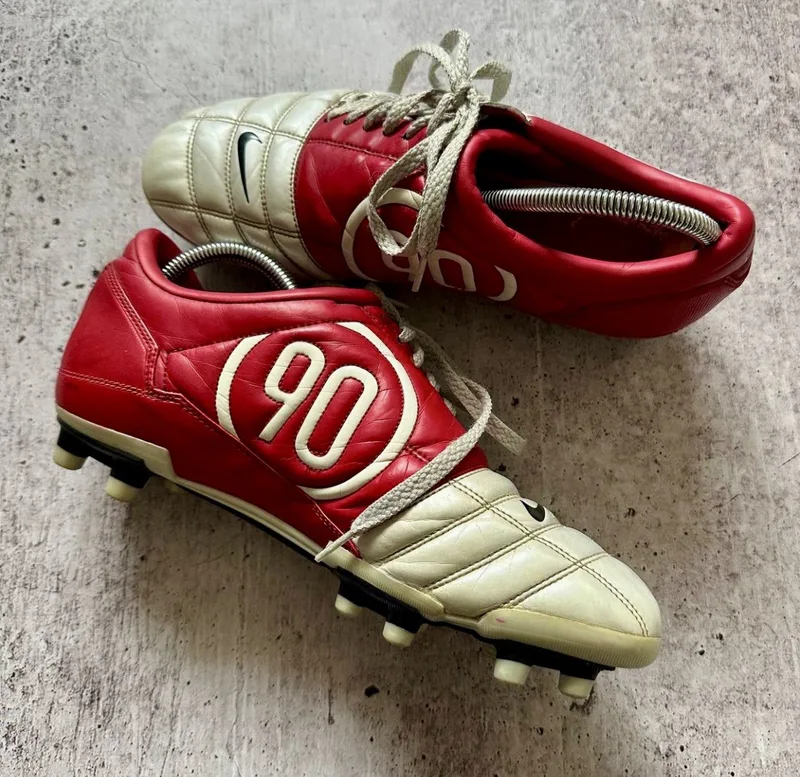
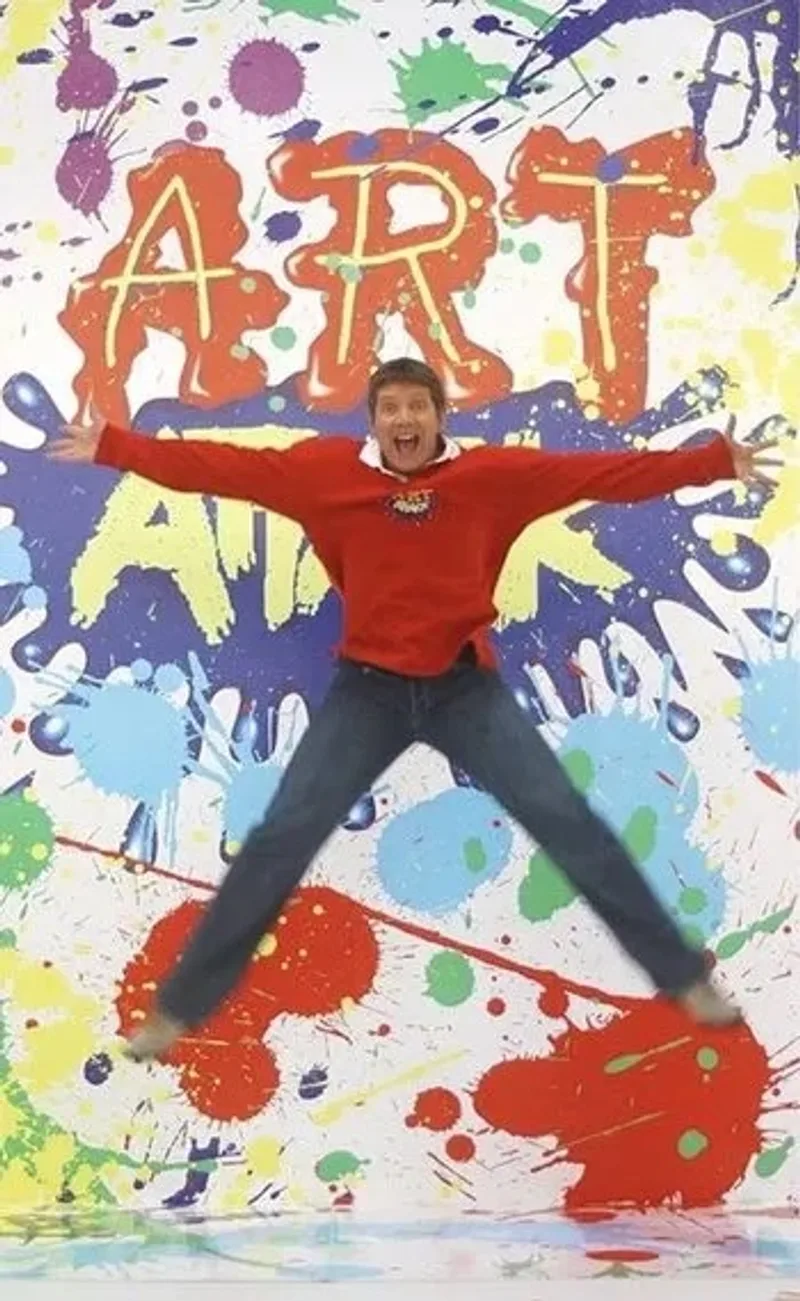
We probably got more Art Attack than Blue Peter, but I was certainly in love with football (cue fully-themed Leeds United bedroom). I vividly remember Nike brought out the Total 90 football and boots featuring flashes of metallic red, silver and blue, and becoming obsessed with its aesthetics. It seemed to capture the culture at the time. The winter ball they used in the Premier League was yellow with large parallel circles, and if you hit it at just the right angle, you could get them spinning perfectly. As a strange coincidence, they’ve just brought the designs back!

Absolutely. I’m not sure that the creative industries ever really felt like an option for my parents when they were growing up, yet they were always supportive of whatever my brother and I were interested in and worked hard to create an environment where we had a choice of where we might land professionally. We moved to New Zealand in 2001, living in Whangaparāoa for a while before settling in Nelson. I attended Nelson College, where I pursued football and fostered an interest in graphic design.
In my last couple of years there, the Arts & Design class was a real awakening that graphic design could be a career, certainly thanks to some great teachers. Looking back, it felt like most of the time we were working on stuff that was fairly commercially relevant — branding, campaign work, etc.
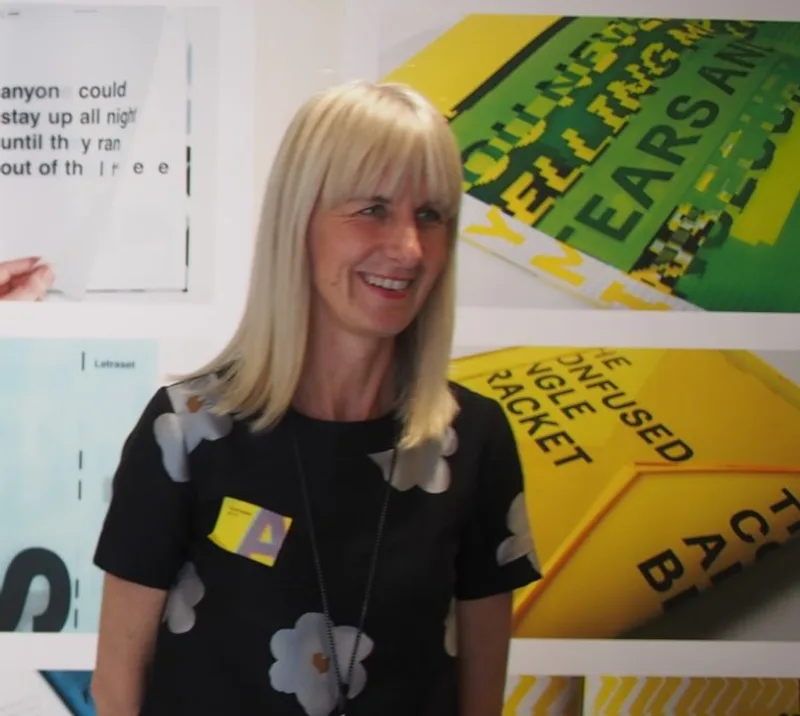
I’d been told that Massey had a really good design course and Wellington as a city seemed exciting. The course was really wide-reaching, and did a great job preparing me for a first job. Fay McAlpine and Dr Annette O’Sullivan were a couple of my favourite tutors. The way they spoke about typography, letter forms, and the art of setting type, it was fascinating learning about the subtleties and history of it all.
A memorable exercise was learning to create hierarchy through iteration: you were given basic information for an event (date, time, venue, blurb), and then worked through hundreds of ways to present the same information but with varied restrictions each time (layout, point size, weight, underline, etc.). The idea of introducing limitations (and iteration) to create better design solutions is something that has stuck with me: viewing the same problem through a different lens and trying something new, until you find yourself at the solution. Design is one of those spaces where self-imposed rules can encourage innovation, rather than stifle it. And maybe why working to solve a brief is often more interesting and creative than having no brief at all.
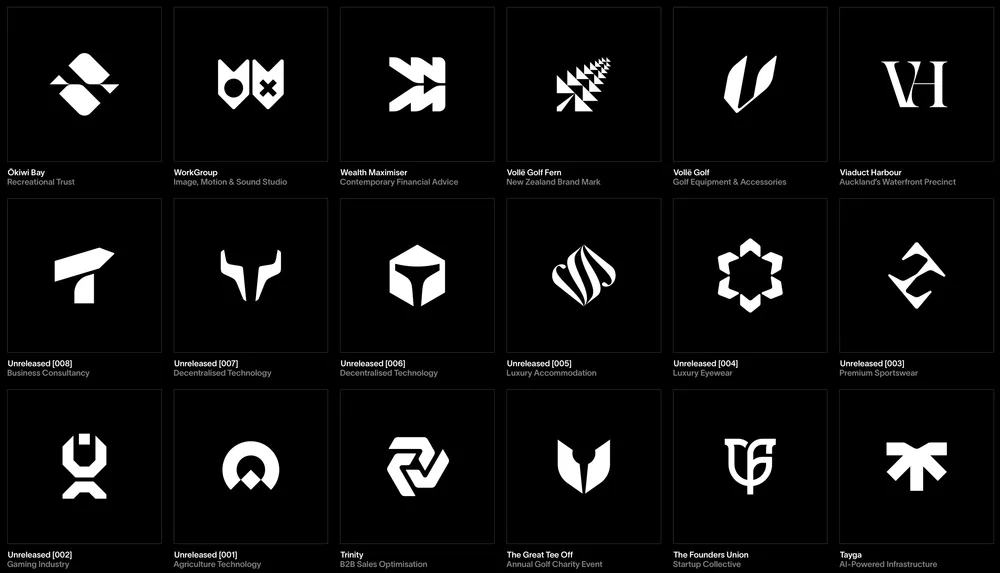
Yeah, sure. Creating interesting limitations (and iteration, naturally) are integral to my process in motif design. It’s almost therapeutic, getting lost in the relationship between forms in search of the serendipitous, clever and the beautiful.
I think the creative process is deeply personal: each designer seems to use their own unique mental avenues to solve creative problems. I’m fascinated by the implications of understanding your own creative tendencies and how that shapes an individual’s work — how two creatives might arrive at distinctly different, and yet both equally successful, design solutions from the same brief. There’s power in understanding your own process, and I’m starting to try and recognise my own patterns, specifically which ones are the most useful.
Grades were maybe too important to me than they should have been early on. It took me a while to realise that I should have been focusing on whether the creative outcome was successful in my own eyes rather than on whether somebody else thought it was grade-worthy. Nearer to the end of my degree I think I was less concerned. It took me a long time for the execution of design to catch up to my values and principles as a designer. I had this grand ideal of what good design was, but I wasn’t anywhere close to producing it while at uni, and it took the demands of the professional design industry to help me get closer.
We had been told it was going to be tough to get a design job in New Zealand. (Something ridiculous like 20 per cent of us might make it — inspiring right?) I ended up thinking ‘I’ve got a passport for the UK, so why don’t I just throw my hat in the ring over there?’ My portfolio was okay, but there was definitely a process after uni of creating work that represented where I wanted to go. Still, I left for the UK right after the final term finished and ended up missing the graduation ceremony.
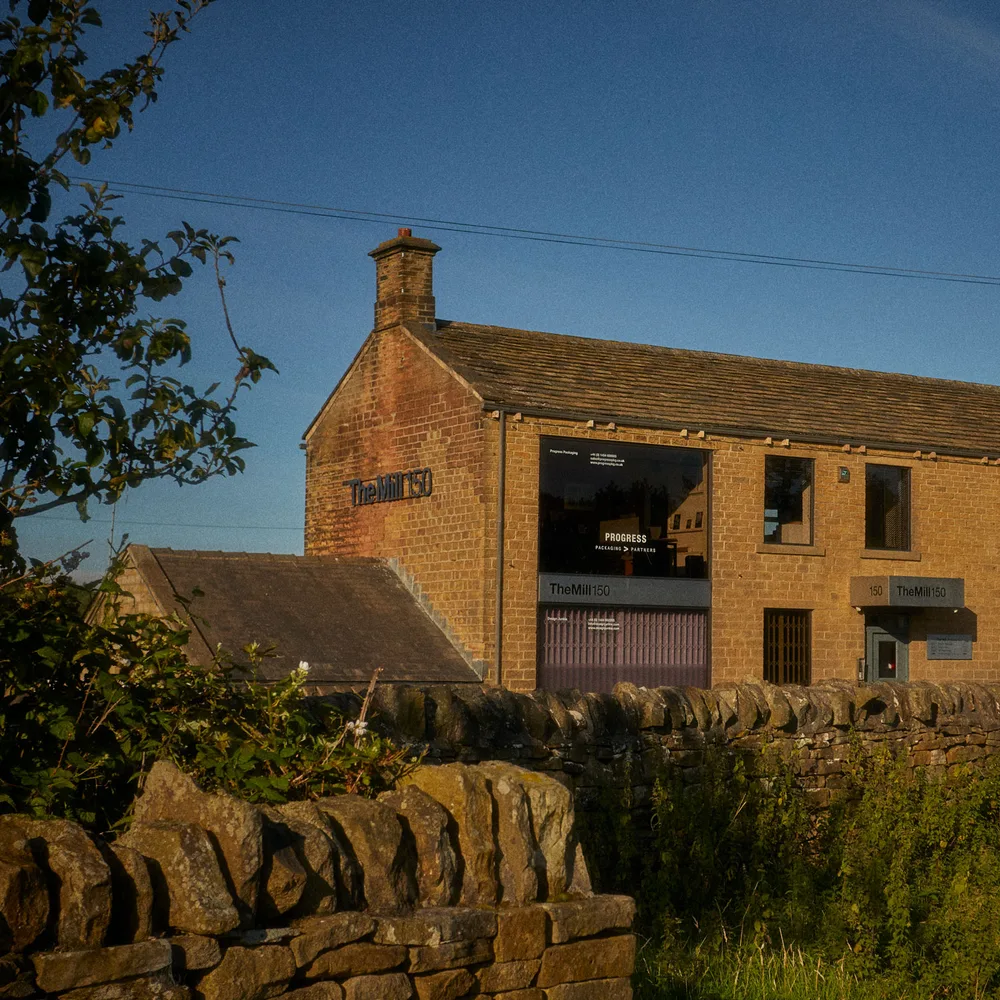
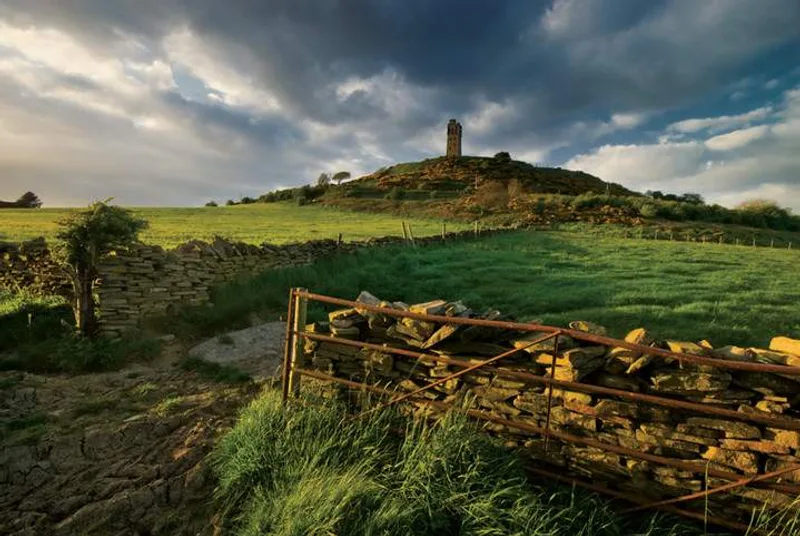
I didn’t have anything lined up except somewhere to stay with family in semi-rural Huddersfield. I was working on my portfolio and my aunty mentioned that there might be a design studio at the top of the road. She pointed through the window, to this old building called The Mill, about half a kilometre away, perched above old stone walls.
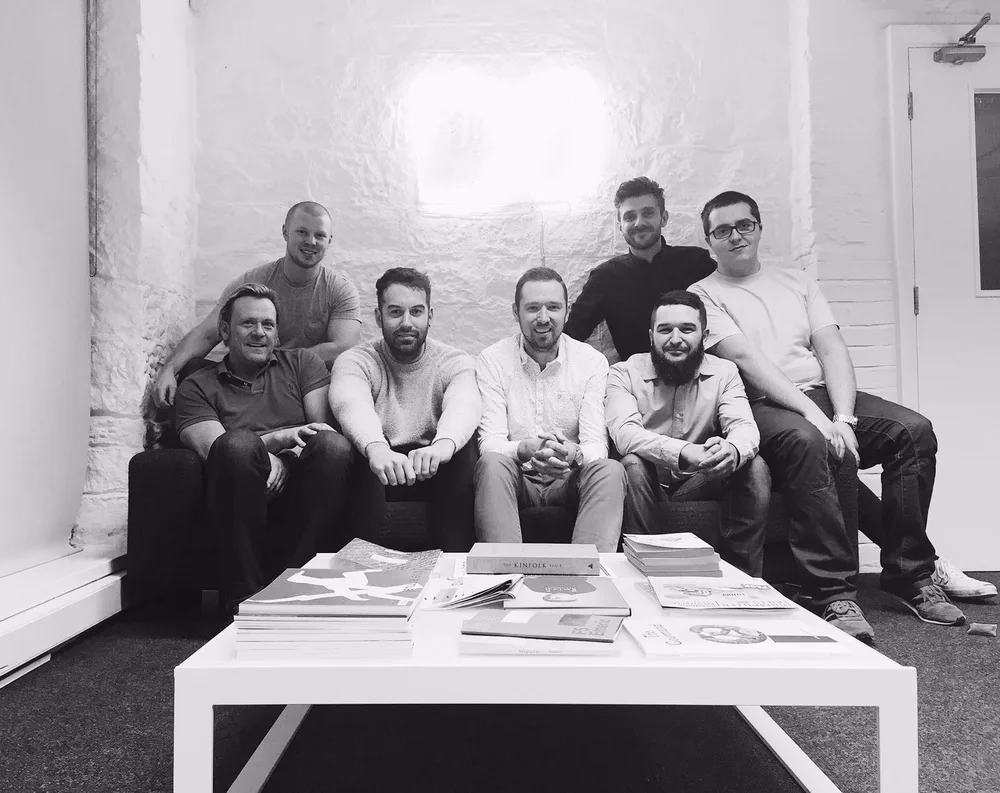
She was right, the building housed a small graphic design studio, Design Junkie, and even a packaging studio above it. It’s difficult to explain how odd it was that this creative place existed just up the road from where I was staying. That same day, I knocked on the door and managed to sit with the creative director, Jonny [Hotchkiss] — still a good friend to this day — and showed him my portfolio. I don’t think they were looking for someone, and I was just some random kid with a mangled Northern-meets-Kiwi accent. I had an interview the next day with both Jonny and Jason [Haigh] (the managing director), and started the following week.
When people ask me for advice on this, I would say just go and knock on the door — if I said otherwise it would be like slapping the universe in the face since it worked for me. But I also know that sometimes, especially when a studio is busy, you may just be knocking at the wrong time, and that’s the shit end of the stick when you’re going in cold. I know there are times I wouldn’t have the time to properly review someone’s work, and other times I’ll happily review three or four in a day and try to get back to people. Timing is everything, unfortunately.
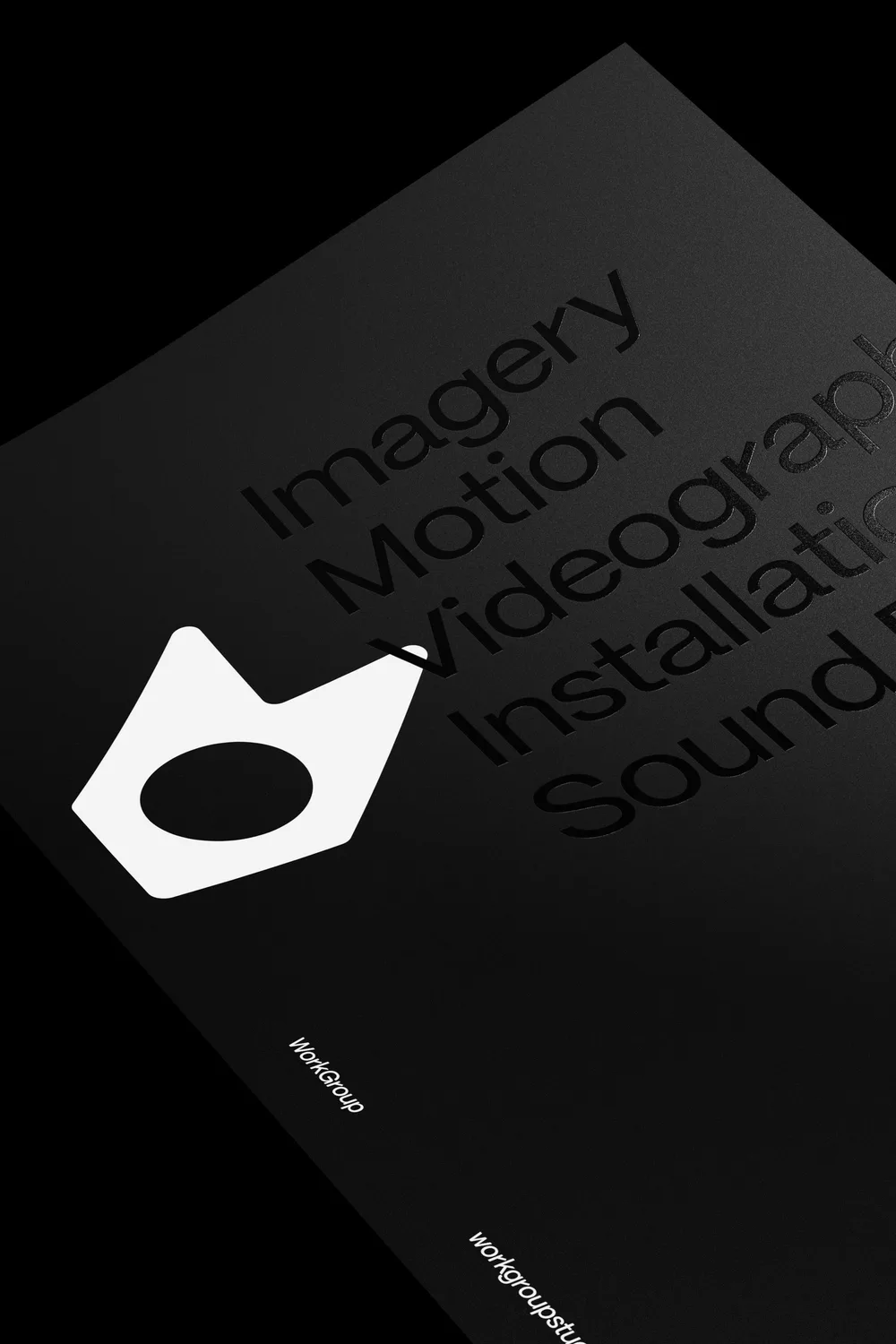
I felt equipped and I honestly couldn’t fault it as a first job: they gave me a lot of trust from the start, which seems rare. They were a small studio of four, which grew to eight, and they gave me so much room to not only be creative behind the computer screen, but also with clients, meetings, and contributing to proposals. There was no hiding the juniors from the business of design, which is admirable.
There were a couple of long-term projects where I would travel from Huddersfield to Leeds to run design meetings solo — it was a real level of trust and independence for a young designer. I’m grateful for that, because by the time I got to my next job I’d seen so many sides to design already.
I think they knew that I was obsessive about design. I was desperate to prove myself, and they did an incredible job of rewarding that effort. I always knew that somebody was going to appreciate the work I put in.
Politically, England wasn’t great, and it was very easy to get a little of that glass-half-empty mentality. I probably wasn’t in the best place personally either: I put a lot of energy into work and maybe not so much into everything else. After three winters in the UK, I just thought ‘You know what? I need some sunshine and a change.’
Studio South had appeared on our radar back in the UK; I really admired the craft and skill that went into their work. I moved to Auckland without a job, freelanced for a bit, and basically cold-emailed Sam [Southwell] with my portfolio, saying I would love to work at your studio.
Again, it came down to timing, and I got the job.
South was unserious and fun, and what struck me was how it could be like that when the work is so highly crafted. Their end-product was so pristine, but they were all such personalities. They wanted to create amazing work; they had strong work ethics and a high standard that all their work had to meet. I was very competitive with myself there, and wanted to elevate my craft.
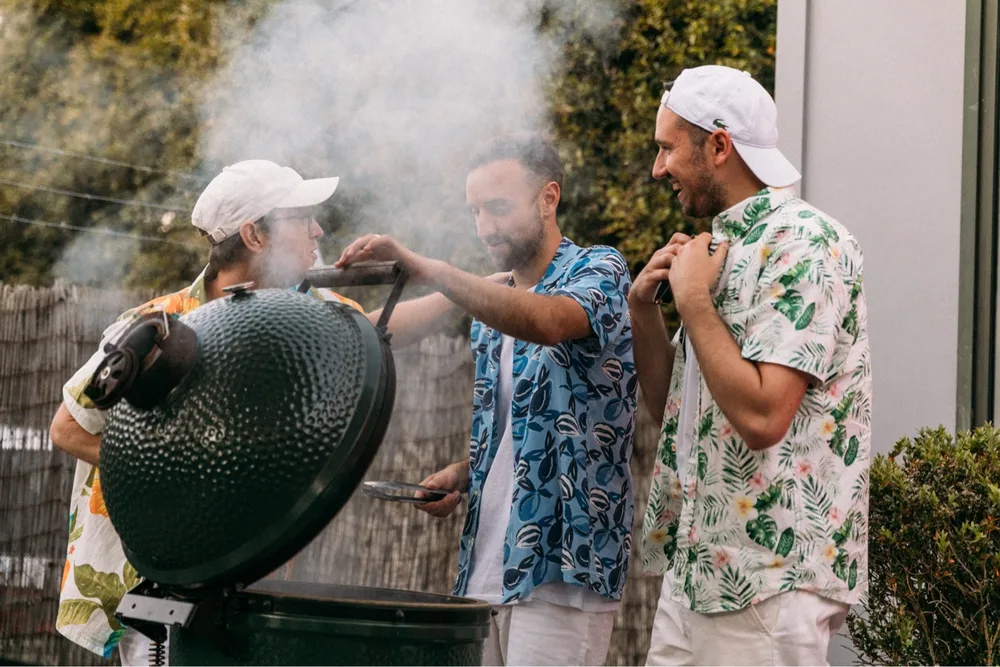
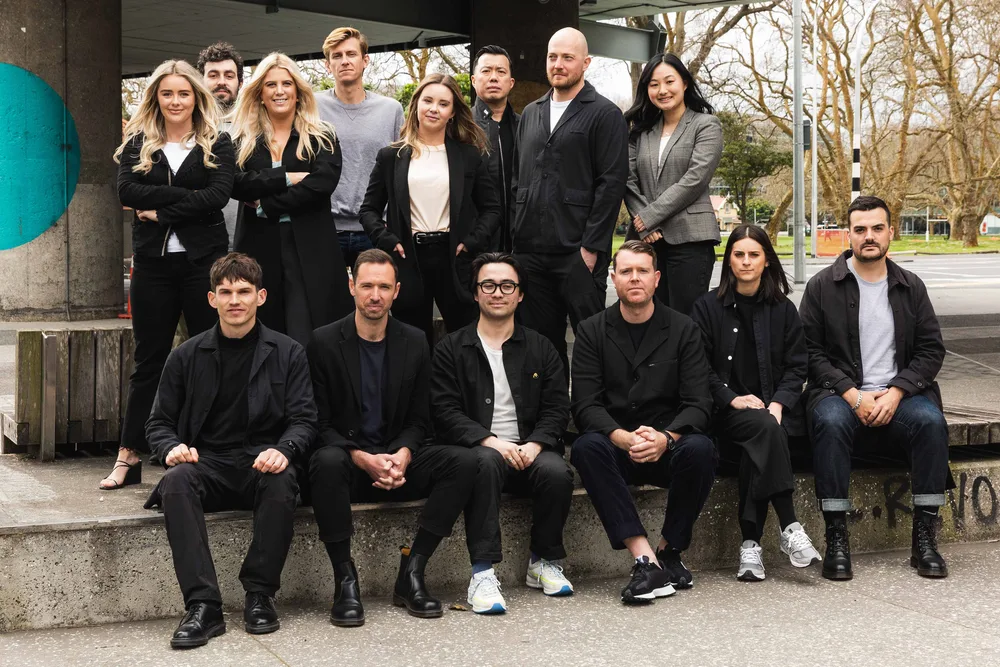
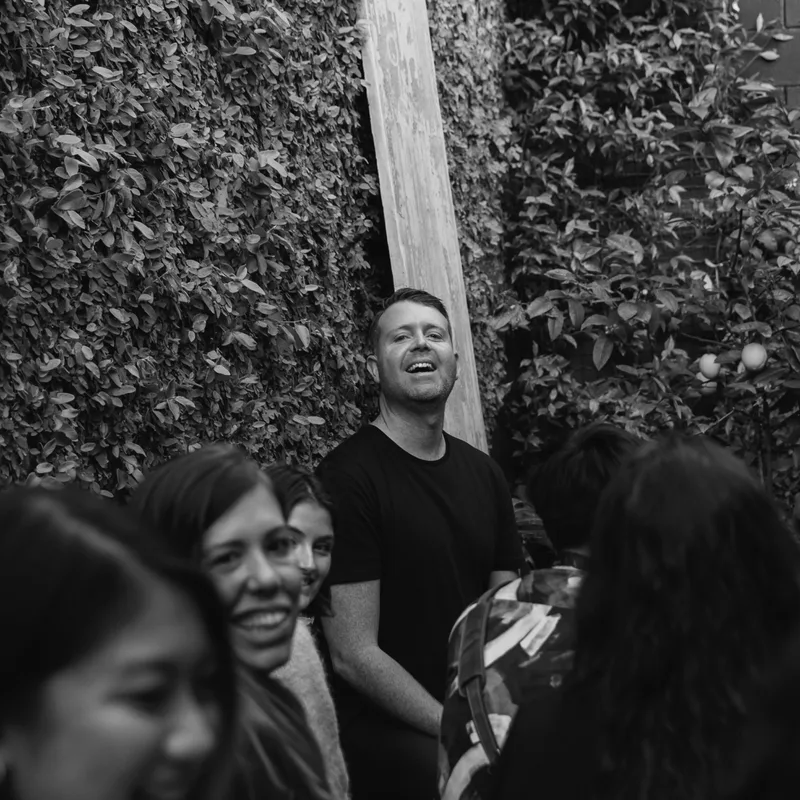
We had two experienced designers (Matt and Jeremy) leave around the same time as I came on-board, and they were responsible in part for so much of the work and the aesthetic (and I had learnt so much from them). I wanted to be able to carry the torch forward and do justice to the standard we had set for ourselves. Jeremy Hooper and Mira Takeda were the next two creatives to come through the door (both incredibly talented), and the team continued to grow from there.
My time at South taught me a lot about executing creative on a larger scale, creating strong client relationships and providing design leadership. I was a much more well-rounded designer in general: more collaborative and efficient, and I had established my own design voice to lean on.
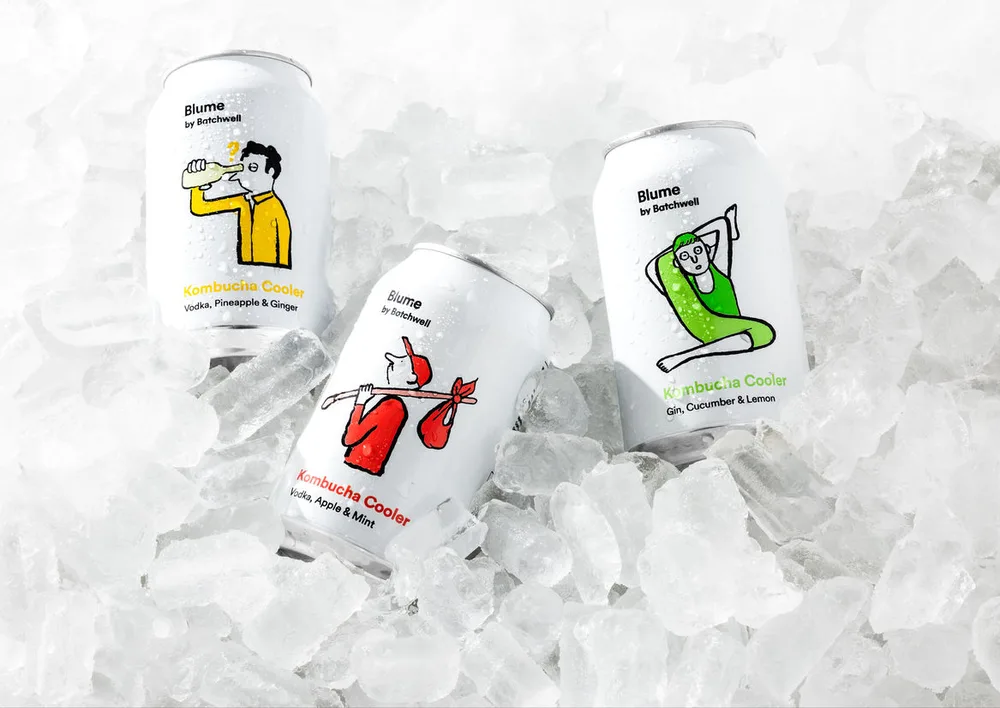
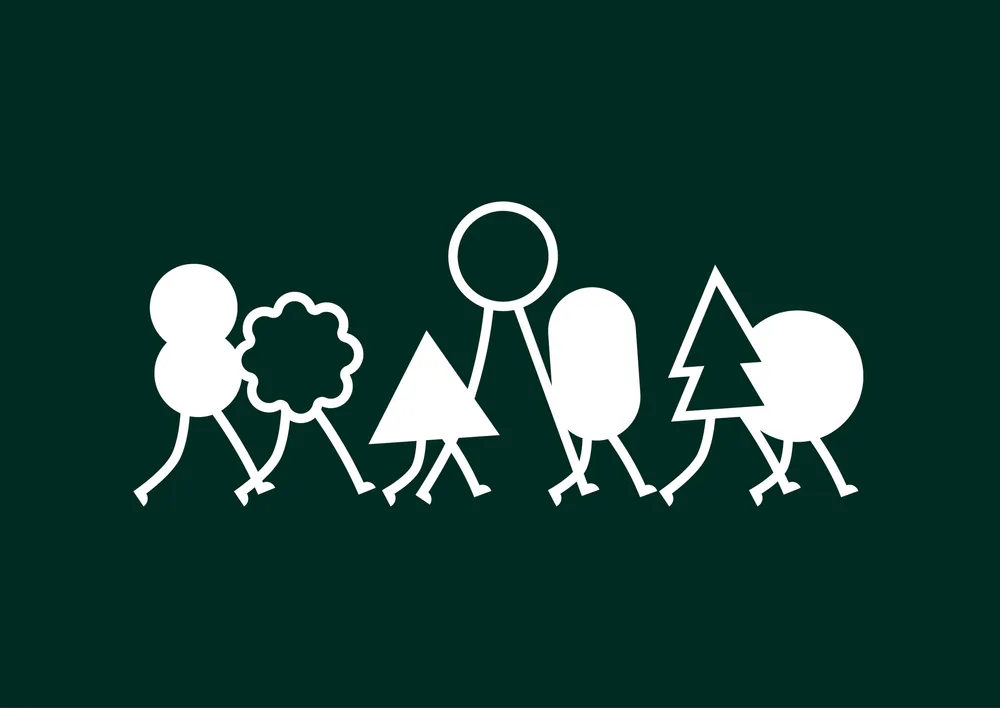
I think when I need a change, I need to make it a big one. I had always feared doing my own thing. I had some anxiety around the way people talked to each other online about design and the kind of things they would say about other people’s work.
My partner, Kirsty, was running her own photography business, and I was jealous of the lifestyle and autonomy. It just got to the point where I thought if the only thing stopping me from doing this is fear, that’s not a good enough reason not to do it.
I loved my job, but it was this itch I had to scratch. It was on the back end of the COVID pandemic, and I thought while the whole world’s readjusting, I should just do it. I had no plan. I didn’t have any confirmed work or know where work would come from. But it worked out and, at the time of this interview, Field of Play is nearly four years old.
I’ve intentionally kept Field of Play lean (and fully remote); we scale teams to suit projects. That means I still wear many of the hats, which can be exhausting. Kirsty works with me a lot, and I have really trusted collaborators who I work with day in and day out. The biggest struggle I’ve got is balancing the time spent being creative and having the space to do that, while also managing the slightly less exciting but still important aspects of business and project management.
Yeah, absolutely, I miss it — you just can’t replace that. I think the best way to design is in a studio environment. I wouldn’t want to be working remotely without having done that first. I still miss it, but there’s less distraction now, and my productivity is higher now than it ever has been. For me, the pros outweigh the cons at this stage.
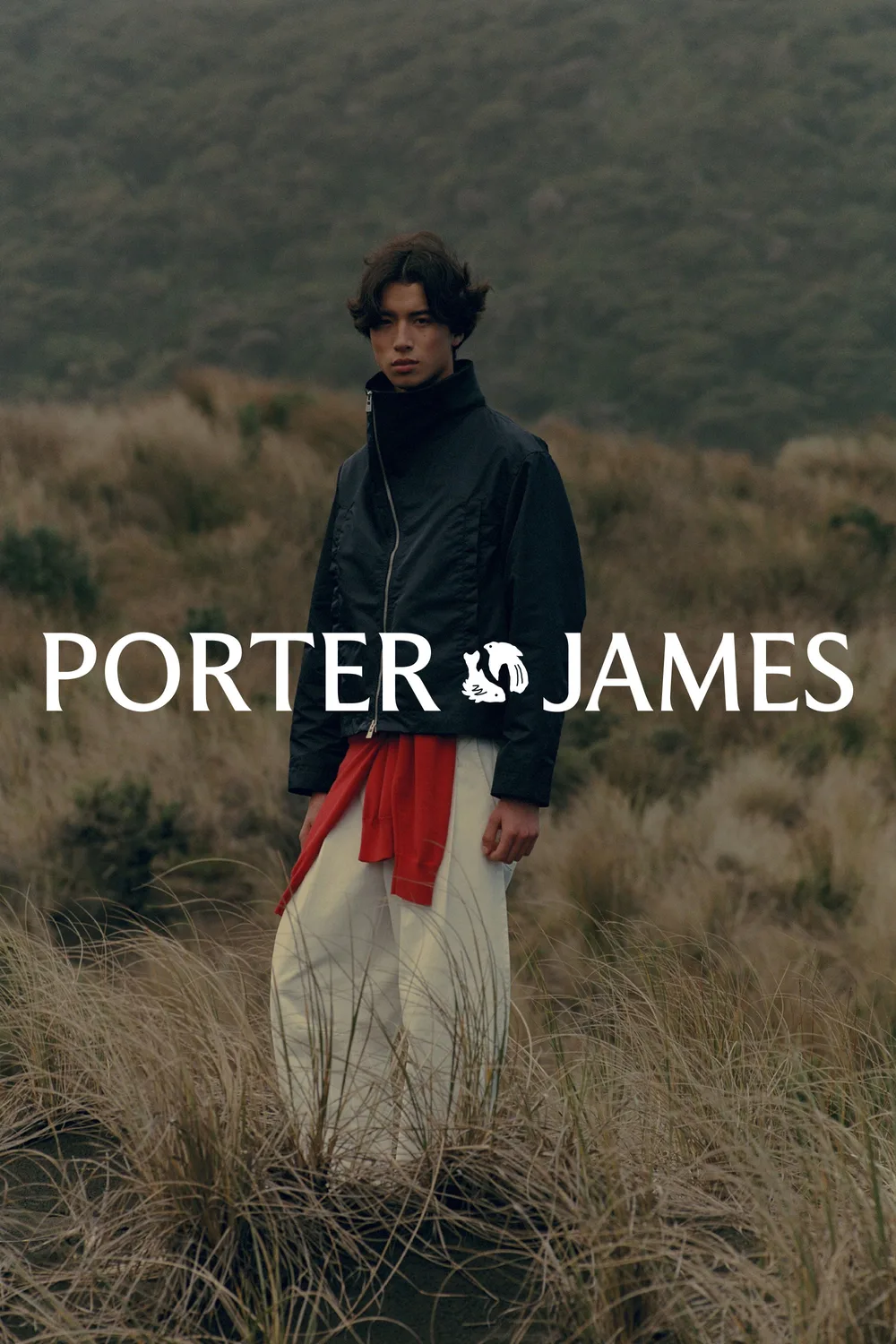
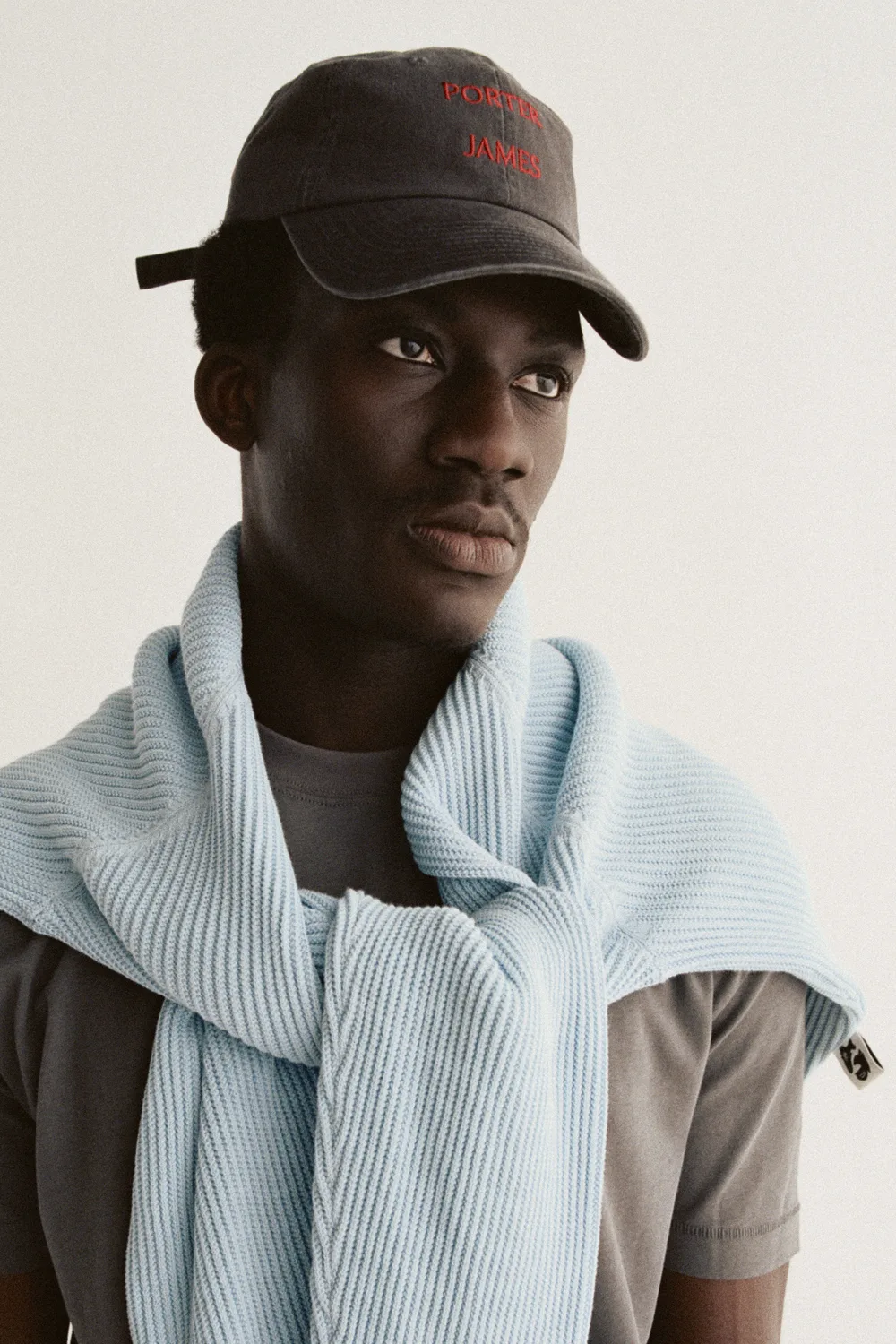
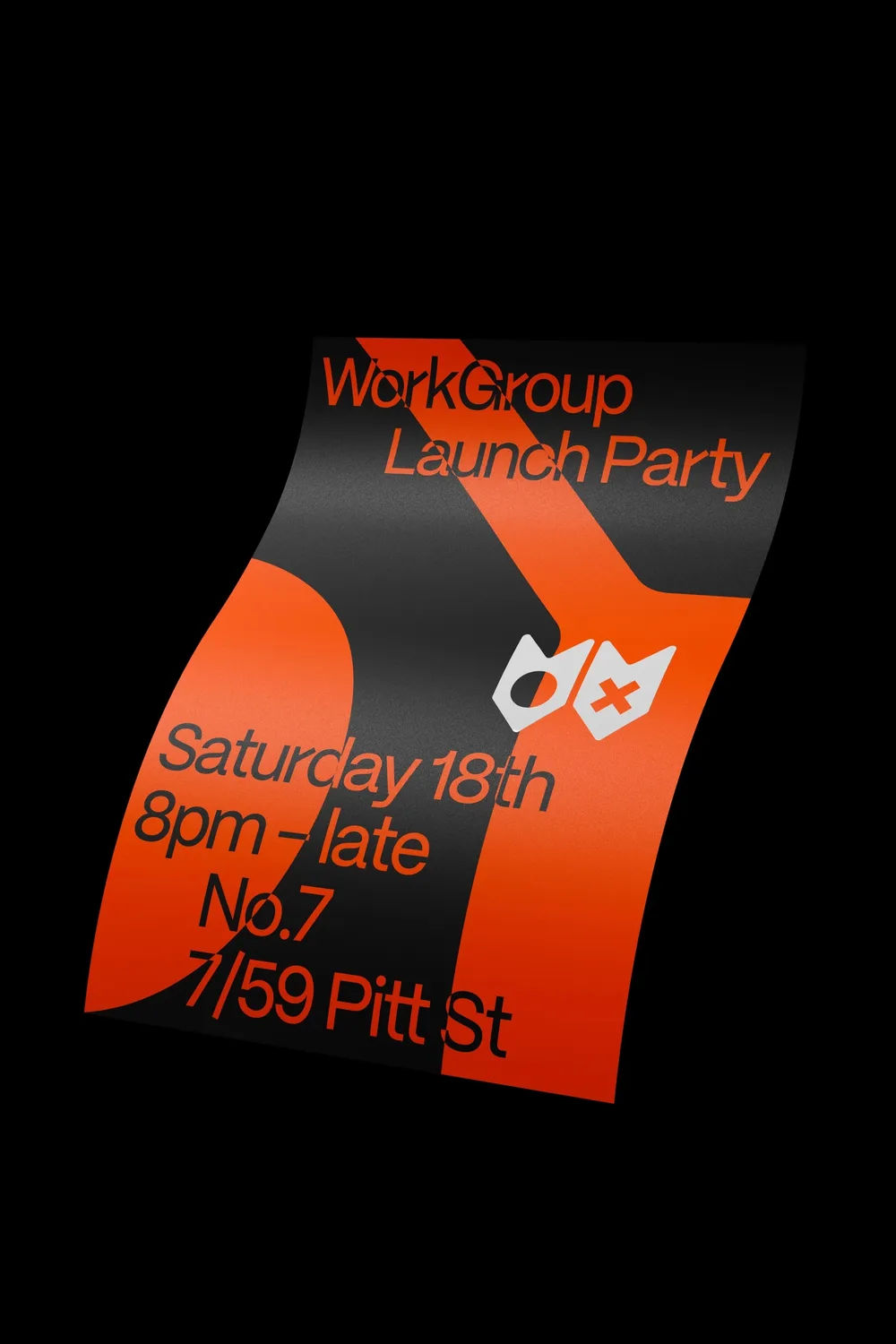
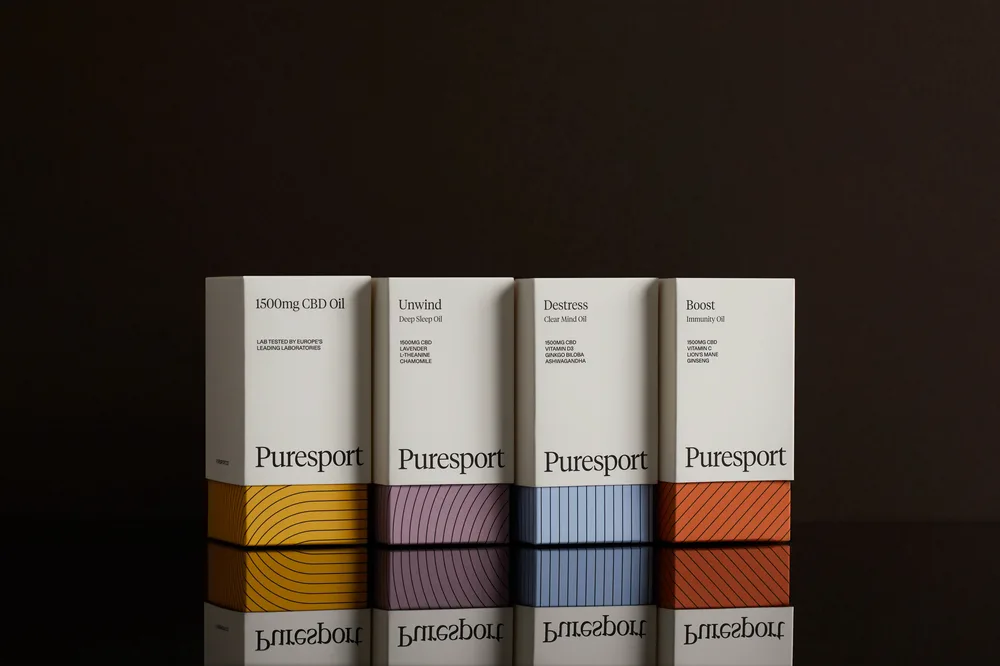
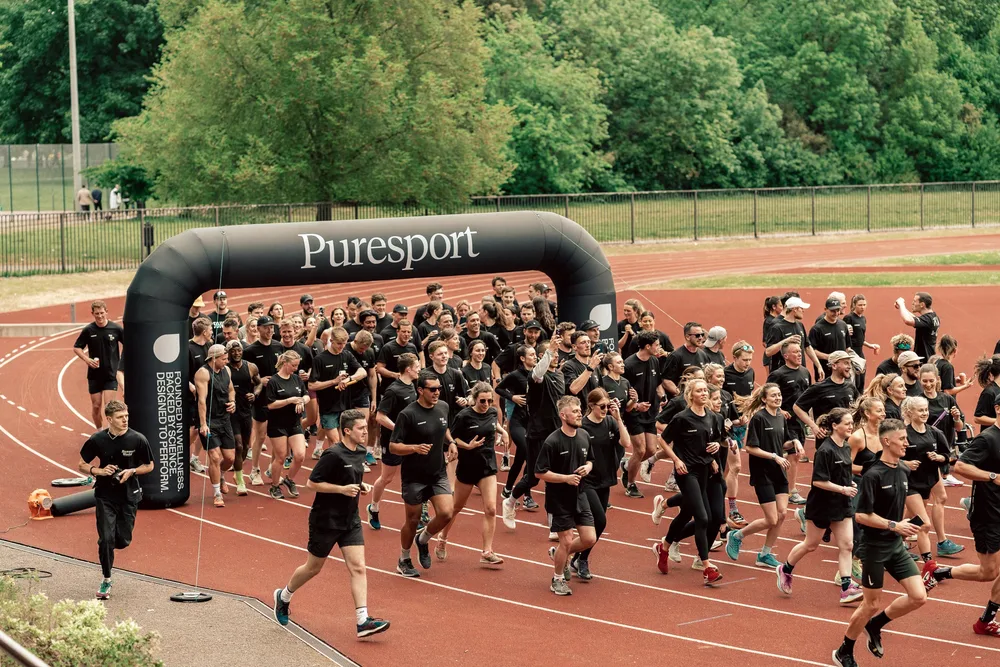
We were recommended to the in-house design team, and they connected with some of the work that we had put out previously. I had the pleasure of bringing in Tom [Crampin] and Nick [Shackleton] from WorkGroup, so I was never really alone in the process, and I think the client enjoyed working with a smaller team in that instance.
The way I frame it to clients is that we are building the right team of specialists for you. So if we think you need bespoke audio, a copywriter or an illustrator, we’ll go and get the right person. We’re not going to limit ourselves — we’re adaptable. It seems like larger clients are more open to working with smaller teams these days, perhaps down to the level of craft and collaboration that it promotes.

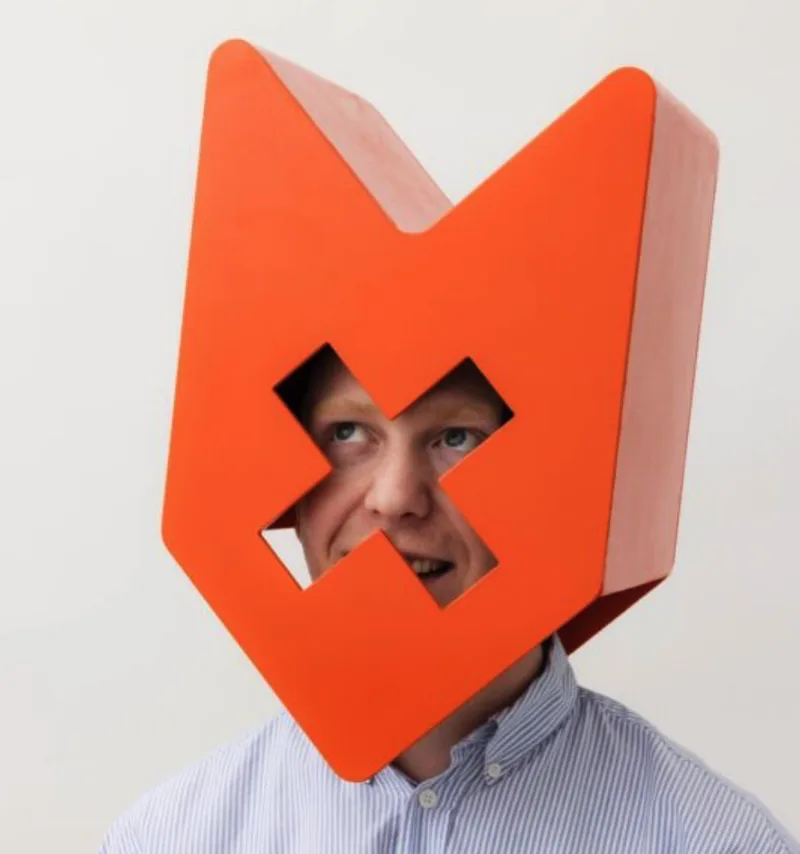
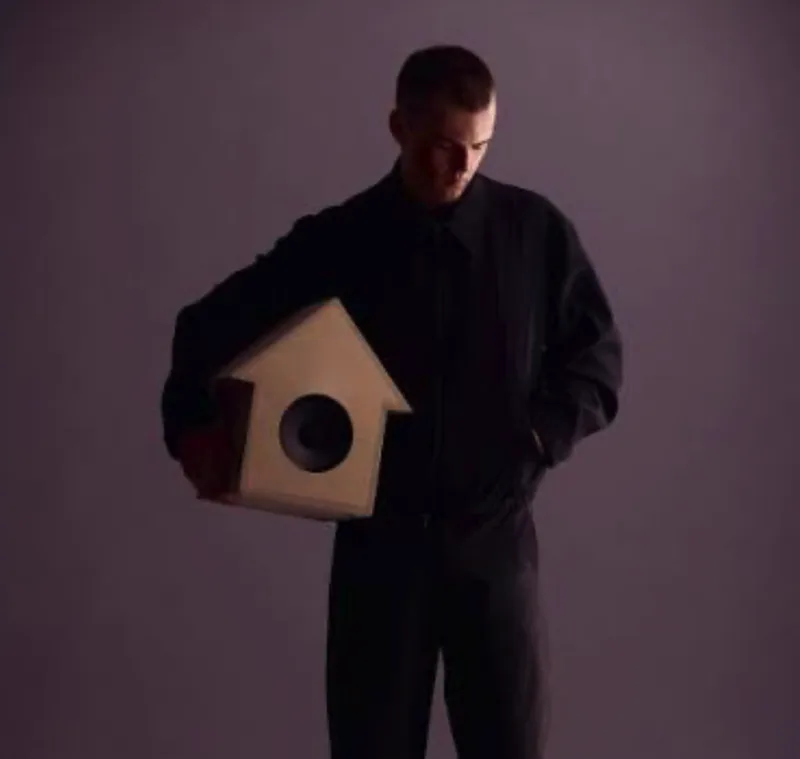
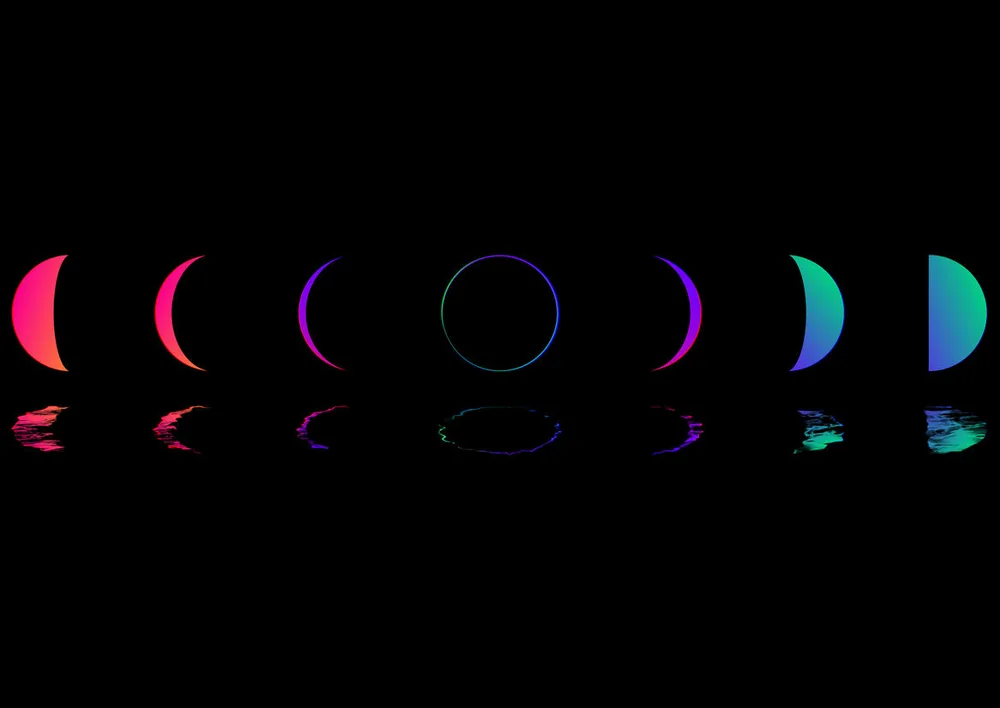
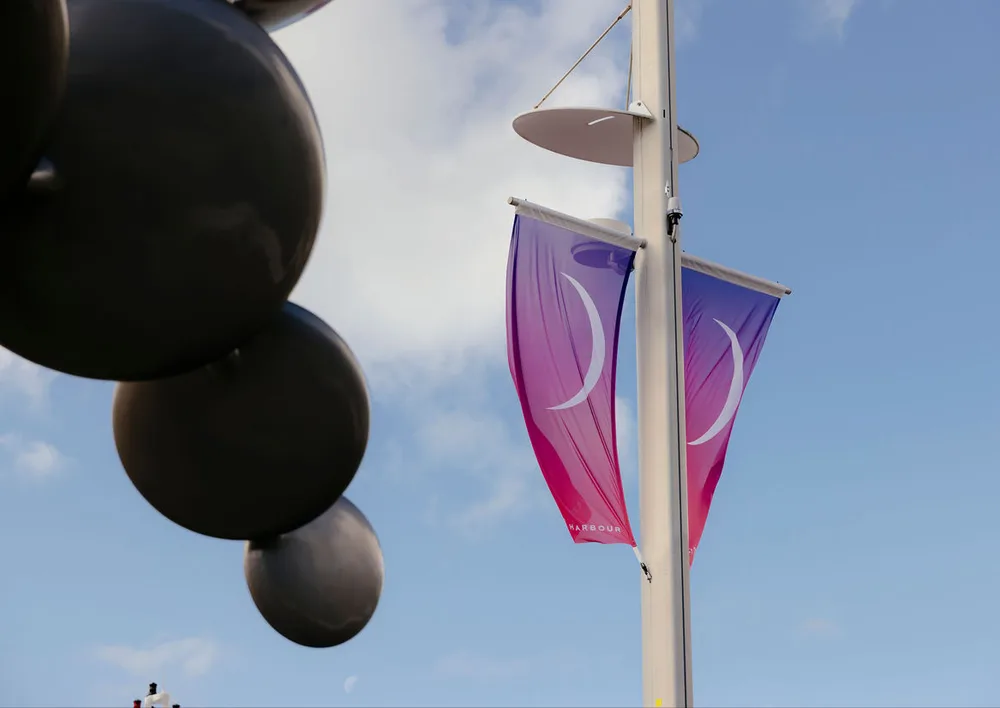
We would never design those things alone. Maramataka and some of the more recent Matariki work was led by the talented Tuhirangi Blair, creative director at the Viaduct Harbour at the time. We used our creative expertise under his guidance with the goal of accurately representing his vision.
There’s no value in working without an authentic lens. I try to remain acutely aware of my creative voice and where it should and shouldn’t be used.
We’re coming to the end of a rough initial plan, which was mostly centred around developing a client base. Kirsty and I often talk about what it could look like if we grew the team. I wonder about what happens in 10 years: what job would I want in design?
Currently, it looks like Field of Play will grow. I like the idea of building a team and the work that comes from a collaborative studio environment, but I don’t think I’d want to be bigger than six or seven people; that size seems ideal to me. Big enough that you’ve got support, small enough that you’re nimble. We’ll see how we go!
Editors note
Since we spoke last year, Field of Play was acquired by Nakatomi - a company builder in Sydney; a group of engineers, developers, creatives and entrepreneurs. Having worked with Andy, Ben and the team for a number of years prior, it felt like a natural step forward. We act as Nakatomi's in-house brand and design studio, servicing novel ventures while continuing to work with external clients and commercial projects. It's been a year of collaboration and a lot of fun moving between the startup world and commercial design projects – we're looking forward to profiling some of the recent work soon.